
Blog
Why Wind Makes You Feel Colder After Getting Out of the Water After Surfing

You’ve just finished a great surfing session. The sun might even be shining. The water didn’t feel particularly cold while you were moving around. Then you get out. A breeze hits you. Suddenly you’re freezing.
Your fingers stop working properly, you’re trying to get changed as quickly as possible and that warm drink you left in the car has suddenly become the most important thing in the world.
Table of Contents
Evaporative Cooling
So why can a relatively mild day at the beach suddenly feel so cold when you get out of the water? The answer is a combination of wind, evaporation and the fact that you’re wet. And understanding what happens after you leave the water can be just as important as thinking about the conditions while you’re in it.

Why Does Wind Make You Feel Colder?
Wind doesn’t actually make the air temperature lower. What it does is remove the layer of relatively warm air that sits close to your skin.
When you’re standing still, your body warms the thin layer of air immediately around you. A breeze continually replaces that air with cooler air, increasing the rate at which heat is transferred away from your body.
This is one reason the same temperature can feel very different on a calm day compared with a windy one. It’s also why a breezy beach can feel considerably colder than a sheltered spot a short distance inland.
Then Add Water
This is where things get more interesting.
When you’re wet, water on your skin begins to evaporate. Evaporation requires energy, and some of that energy comes from heat at the surface of your skin.
As water evaporates, you lose heat. Now introduce wind. Moving air helps remove the moist air sitting close to your skin and allows more water to evaporate.
So you’ve effectively got two things happening at once:
Wind is increasing heat loss.
Evaporation is removing heat from your skin.
Put the two together while you’re standing on a beach in wet clothing and it’s easy to see why you can suddenly feel much colder than you did in the sea.
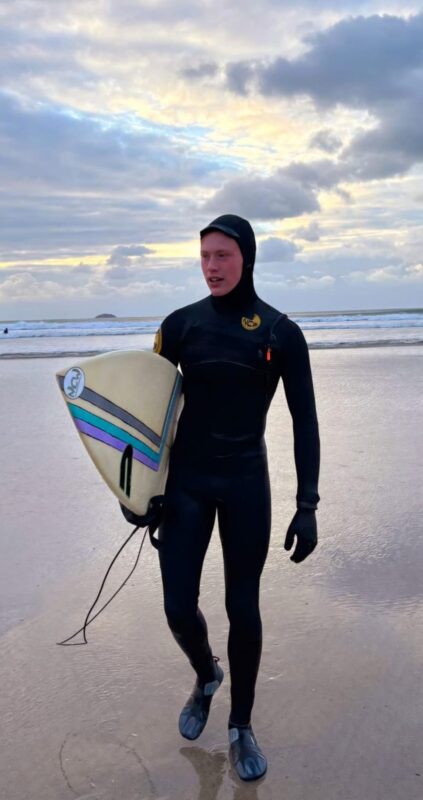
Winter wetsuits
Why You Can Feel Fine in the Water and Freezing Five Minutes Later
This catches people out. When you’re surfing, swimming or paddleboarding, you’re usually moving. Your body is generating heat through physical activity. You’re also focused on what you’re doing rather than how cold you feel.
Once you get out, the situation changes. You stop exercising. You’re standing around.
Your wet skin and clothing are exposed to moving air.
And the energy you’re producing drops.
That’s why the walk from the water to the changing area can sometimes feel surprisingly brutal.
The sea hasn’t necessarily become colder.
You’ve simply changed the conditions your body is experiencing.
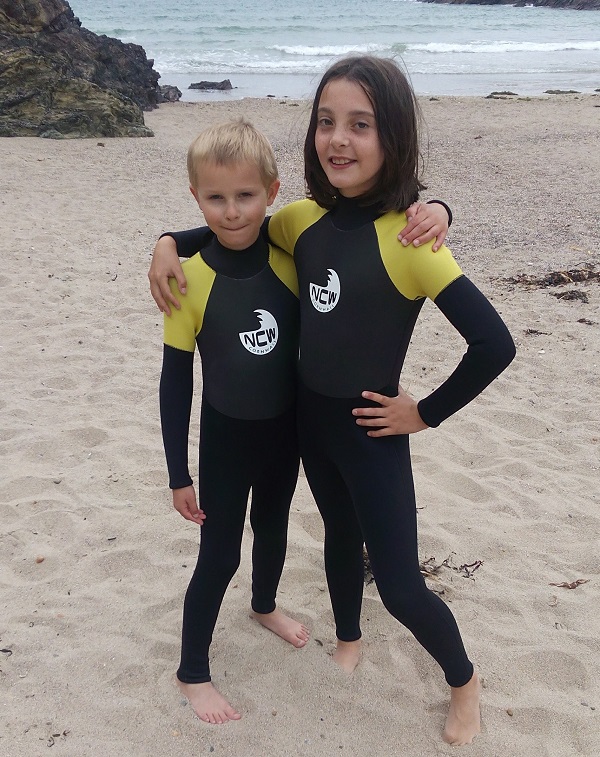
Kids & Juniors 5mm Winter Wetsuits (backzip)
Price range: £64.95 through £99.95
It’s Not Just the Wind Chill
You’ll often hear people talk about “wind chill”.
Wind chill describes how cold conditions can feel to exposed skin when wind increases the rate of heat loss.
But when you’re wet, evaporation becomes particularly important too.
Think about what happens when you blow across wet skin.
It feels colder.
The moving air helps water evaporate faster.
The same basic principle is happening when you’re standing on a windy beach after a surf.
This is also why getting out of wet clothes and into something dry can make such an immediate difference.
Why Kids Can Feel the Effects Even More
Children need particular attention after getting out of the water.
They’re generally smaller than adults and can lose heat relatively quickly. They may also be so excited about what they’ve been doing that they don’t notice how cold they’re becoming.
A child might happily run around the beach shouting:
“I’m not cold!”
while visibly shivering.
This is why the post-water routine matters.
Have warm, dry clothing ready.
Don’t leave children standing around in wet gear while everyone else gets changed.
Get them sheltered from the wind where possible.
And keep an eye on their behaviour rather than relying entirely on what they say.
The Post-Surf Routine Matters
Getting out of the water isn’t the end of the session.
For cold-water activities, it’s the beginning of the recovery phase.
A few simple habits can make a big difference.
Get Out of Wet Clothing
Wet clothing next to your skin allows continued evaporative cooling.
Get changed into dry clothes as soon as practical.
Get Out of the Wind
If possible, get behind a shelter, into a changing area or somewhere protected from the breeze while you get changed.
Use Layers
A warm base layer and insulating outer layers can help you retain heat once you’re dry.
A good changing robe can also be incredibly useful for getting changed while protecting you from wind and keeping your body covered.
Don’t Forget Your Head and Hands
Hands can become uncomfortable very quickly after cold-water sessions.
A hat can also help you feel warmer once you’ve stopped exercising, particularly on colder days.
Have Something Warm Waiting
A hot drink isn’t a substitute for getting dry and warm, but it can be a very welcome part of the post-session routine.
And if you’re surfing with kids, having snacks ready is rarely a bad idea.
Why Summer Can Catch You Out
You might associate this problem with winter surfing.
But it can happen in summer too.
Imagine a sunny day with a pleasant air temperature and a decent breeze.
You surf for an hour.
You come out of the water feeling fine.
Then you stand on the beach in wet clothing.
The breeze picks up.
Suddenly you’re reaching for the towel.
The temperature doesn’t have to be extreme for evaporative cooling to make a noticeable difference.
That’s why air temperature alone isn’t enough to tell you how comfortable you’ll be after a watersports session.
The Difference Between Being Cold and Being Too Cold
Feeling chilly after getting out of the water is common.
But there is a difference between being uncomfortable and becoming excessively cold.
Pay attention to things like:
- Persistent or heavy shivering
- Increasing tiredness
- Clumsiness
- Difficulty using your hands
- Unusual confusion or drowsiness
- Changes in behaviour
- Difficulty warming up after getting dry
If someone appears significantly affected by the cold or isn’t warming up, take it seriously and seek appropriate medical assistance when necessary.
With children in particular, it’s better to err on the side of caution.

Think About the Whole Session
When planning a cold-water session, don’t just ask:
“What’s the water temperature?”
Ask:
What’s the air temperature?
How strong is the wind?
How long will I be in the water?
How active will I be?
What will conditions be like when I get out?
How quickly can I get dry and warm?
This is particularly important when you’re taking children or less experienced water users to the beach. A calm, sunny day with easy access to shelter is a very different experience from a windy day where you’re walking several hundred metres back to the car carrying a board.

The Golden Rule: Plan for the Exit
Most people think carefully about getting into the water.
What board are you using?
What are the waves doing?
What’s the tide doing?
How strong is the wind?
What are you wearing?
But the exit deserves the same attention.
Where are you getting changed?
Is it sheltered?
Do you have dry clothes?
Are there enough towels?
What happens if the wind increases?
How will you get children warm?
Do you have somewhere to put wet equipment?
It sounds simple. But these little details can make the difference between finishing a session feeling great and spending the next half hour desperately trying to warm up.
The Sea Isn’t Always the Coldest Part
NCW wetsuits
Sometimes the surprising thing is that the water itself isn’t what makes you feel coldest.
It’s what happens afterwards.
You leave the water.
You stop moving.
The wind hits wet skin.
Water begins evaporating.
Your body starts losing heat faster.
And suddenly that warm changing robe, dry fleece and flask in the car don’t seem like optional extras anymore. So next time you head to the coast, think beyond the moment you get into the water.
Plan for getting out as well.
Because a great surf session shouldn’t finish when you leave the sea, it should finish when you’re dry, warm, fed and already thinking about the next one.
For the full range of NCW products to keep you warm and protected, follow this link