
Blog
What Should Kids Wear for Autumn Surfing & Watersports?
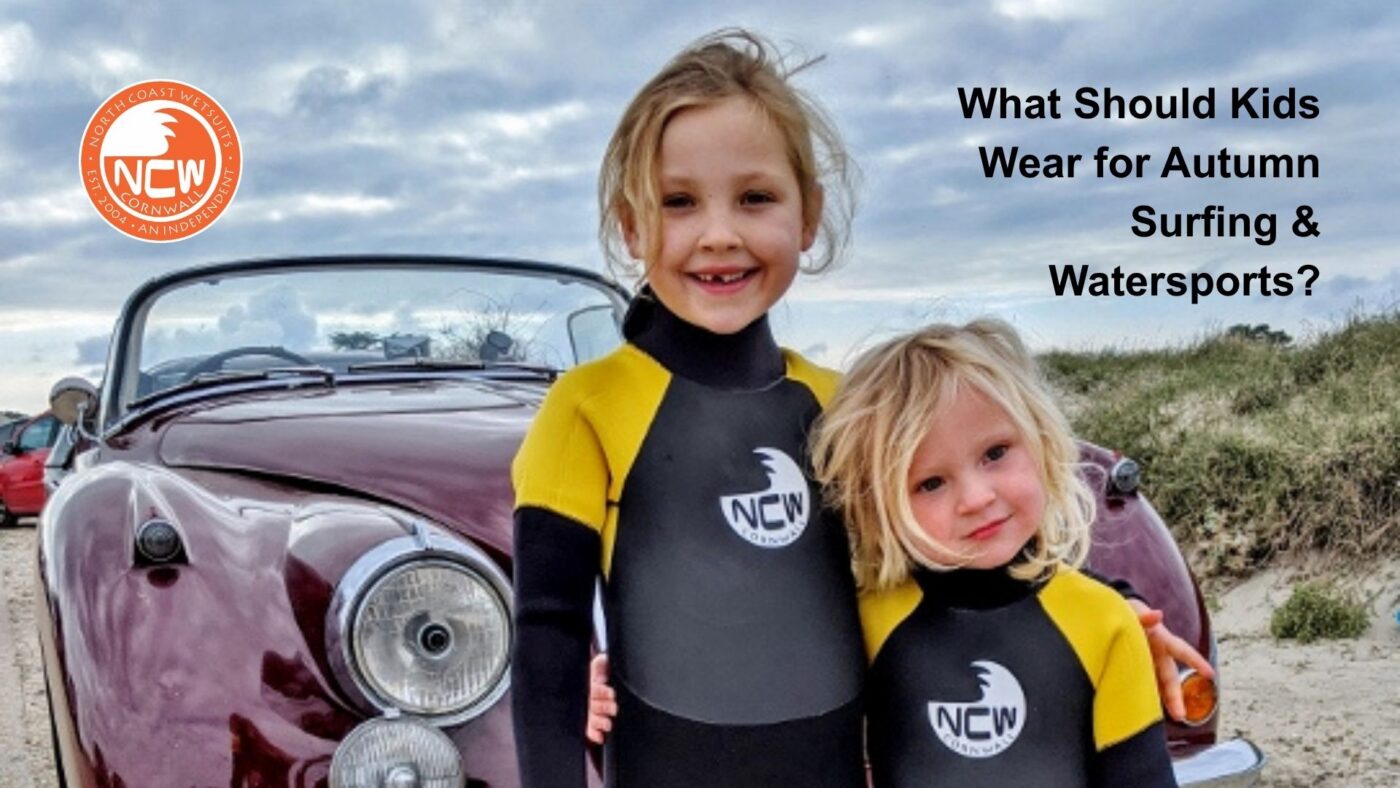
Autumn doesn’t mean the end of surfing and watersports for kids. Here are some tips to keep your kids surfing and in the brine this autumn.
Table of Contents
Some Fantastic Days on Offer
September and October can offer some fantastic days on the water, with quieter beaches, good surf and plenty of opportunities for young surfers, bodyboarders, paddle boarders and other watersports enthusiasts to keep enjoying the sea.
But as summer turns to autumn, what kids wear in the water becomes much more important.
Water temperatures don’t suddenly become cold when September arrives, but they gradually fall as autumn progresses. Air temperatures also become less predictable, while wind can make conditions feel considerably colder.
The right equipment helps children stay comfortable, enjoy their session and, most importantly, manage the risks associated with cold water.
Start with the right wetsuit
The wetsuit is the most important part of a child’s autumn watersports kit.
For summer, a thinner wetsuit may be perfectly adequate. As the water cools, however, children generally need to move into a thicker suit.

Kids wetsuits
There isn’t one thickness that works for every child or every autumn day. The right choice depends on:
- Sea temperature
- Air temperature
- Wind chill
- Length of the session
- The child’s age and size
- How much time they spend in the water
- How well they personally tolerate cold
As a general guide, a 3/2mm wetsuit may work during the warmer early-autumn period, while a 4/3mm suit can become more appropriate as temperatures drop. Colder late-autumn conditions may require even more insulation.
Always check the actual water temperature rather than relying solely on the air temperature or the date.
Fit matters as much as thickness
A thick wetsuit isn’t necessarily a warm wetsuit if it doesn’t fit properly.
For children, getting the sizing right is particularly important because they grow quickly and it’s tempting to buy a suit that is slightly too large so they can “grow into it”.
That’s not ideal.
A wetsuit works by trapping a thin layer of water against the body, which is then warmed by the child’s body heat. If the suit is excessively loose, water can continually flush through it, making it much harder to stay warm.
Look for a snug but comfortable fit around the:
- Neck
- Shoulders
- Chest
- Waist
- Wrists
- Ankles
The suit shouldn’t restrict breathing or movement, but it shouldn’t have large gaps or folds either.
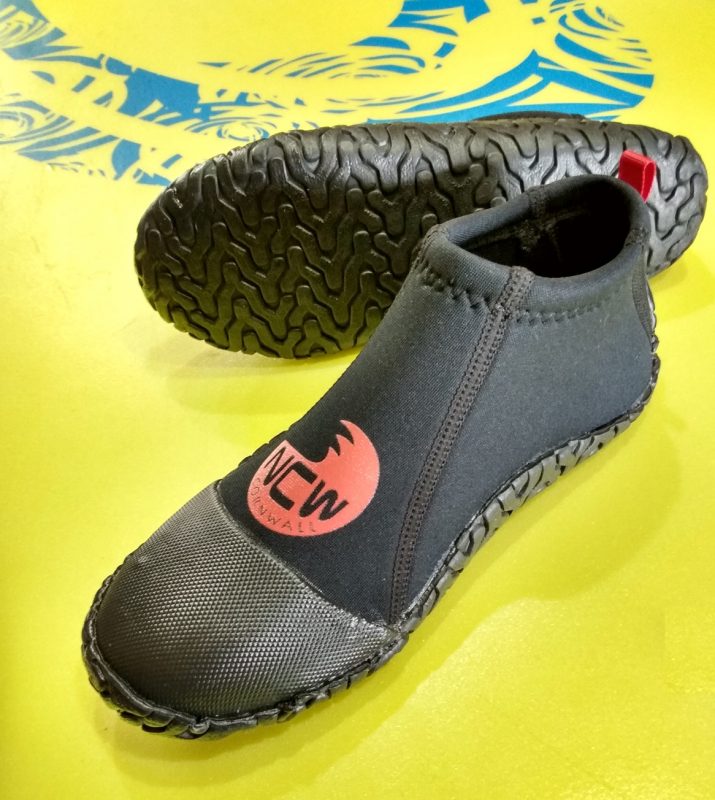
Don’t forget wetsuit boots
As autumn progresses, cold feet can quickly make a session uncomfortable.
Wetsuit boots provide additional insulation while also offering useful protection when children are walking across rocky beaches, pebbles or uneven ground.
For younger children especially, boots can be a worthwhile addition to their autumn kit.
The thickness you need will depend on the water temperature and the rest of the wetsuit system.
When should kids wear a wetsuit hood?
A hood can make a significant difference as the water gets colder.
Children lose heat through their head, and keeping the head and ears protected can make colder sessions considerably more comfortable.
A hood doesn’t necessarily need to be worn throughout early autumn. As temperatures fall, however, it becomes increasingly useful.
For colder conditions, consider a hooded wetsuit or a separate wetsuit hood designed for the conditions.
Again, don’t simply go by the month. Look at the water temperature and how your child responds to the cold.
What about wetsuit gloves?
Hands are another area where children can become uncomfortable quickly.
Gloves can be particularly useful when water temperatures drop, especially for longer sessions or activities involving lots of paddling.
However, thick gloves can affect grip and dexterity, so there is a balance to find.
For surfing, bodyboarding and paddle sports, choose gloves that provide appropriate warmth without making it unnecessarily difficult for your child to handle their equipment.
Layering doesn’t stop at the beach
Keeping children warm before and after a session is just as important as what they wear in the water.
Autumn mornings can be surprisingly cold, even when the sea remains relatively mild.
Consider packing:
- Warm changing clothes
- A changing robe
- Hat or beanie
- Warm socks
- Fleece or insulated layers
- Dry shoes
- A towel
- Plenty of water
- A warm drink for afterwards
A good changing routine means your child isn’t standing around in a wet wetsuit while exposed to cold wind.
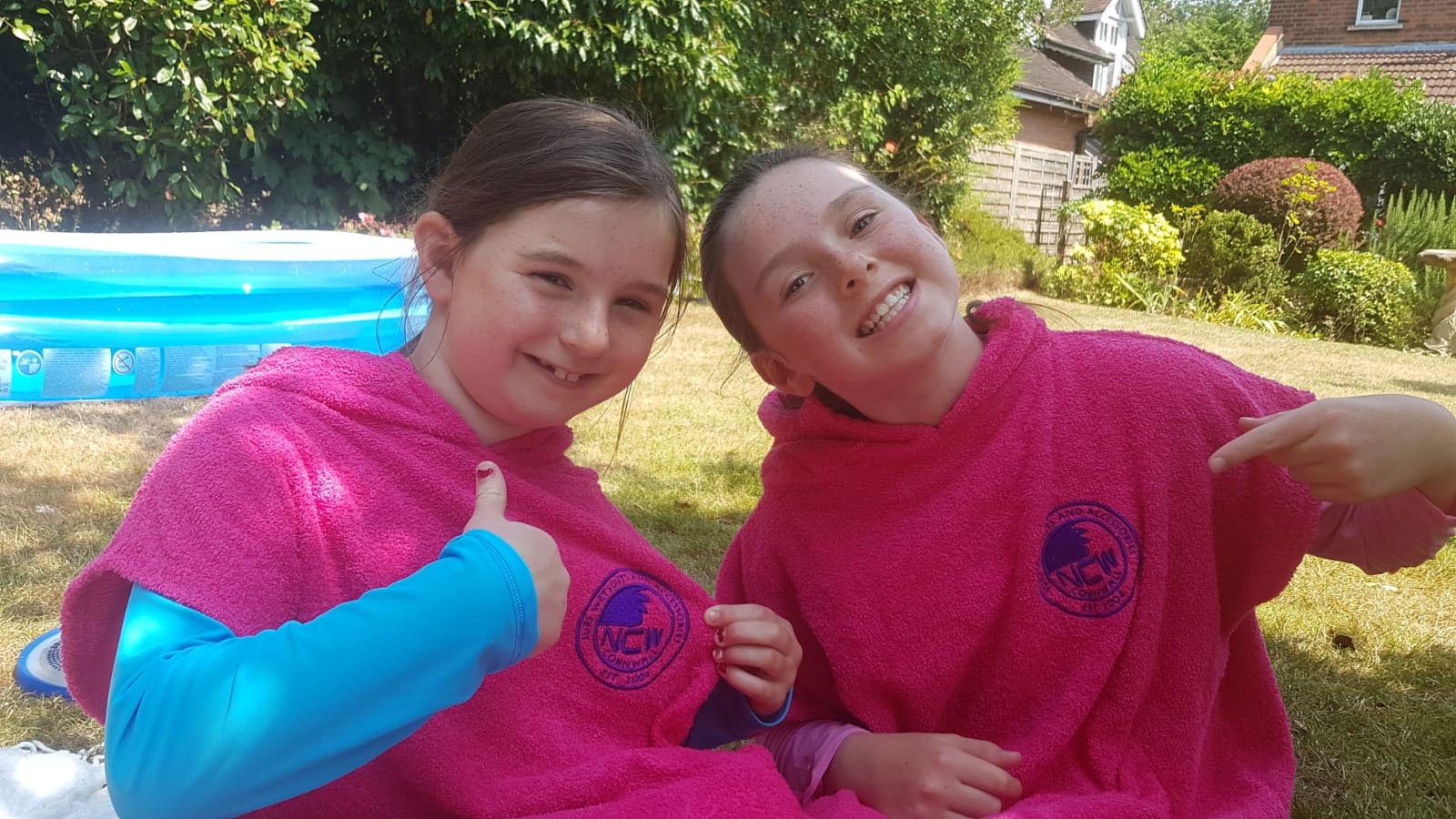
Get them changed, dried and dressed as efficiently as possible.
Watch the wind, not just the temperature
A sunny autumn day can look deceptively warm.
Wind can dramatically change how cold a child feels, particularly when they come out of the water wearing a wet wetsuit.
This is why checking the forecast should involve more than simply looking at the temperature.
Before heading out, check:
Water temperature + air temperature + wind + surf conditions + session duration.
Together, these give you a much better picture of how the day will actually feel.
Keep autumn sessions sensible
Children don’t necessarily need to spend hours in the water to have a great session.
In colder conditions, shorter sessions can be a much better option.
Pay attention to your child’s behaviour and body language. If they are shivering, becoming unusually tired, complaining of cold or losing enthusiasm, it may be time to get out.
Don’t wait until they’re thoroughly cold.
A good rule for parents is simple:
It’s better to finish a session early than turn a fun day at the beach into a battle against the cold.
Cold water and younger children
Extra care is needed with younger children because they may not recognise how cold they are becoming or may be reluctant to leave the water when they’re having fun.
Parents and instructors should keep a close eye on them throughout the session.
Make sure children are appropriately supervised and that the equipment matches both their size and the conditions.
If the weather, surf or water temperature looks unsuitable, there is no shame in changing the plan.
The sea will still be there another day.
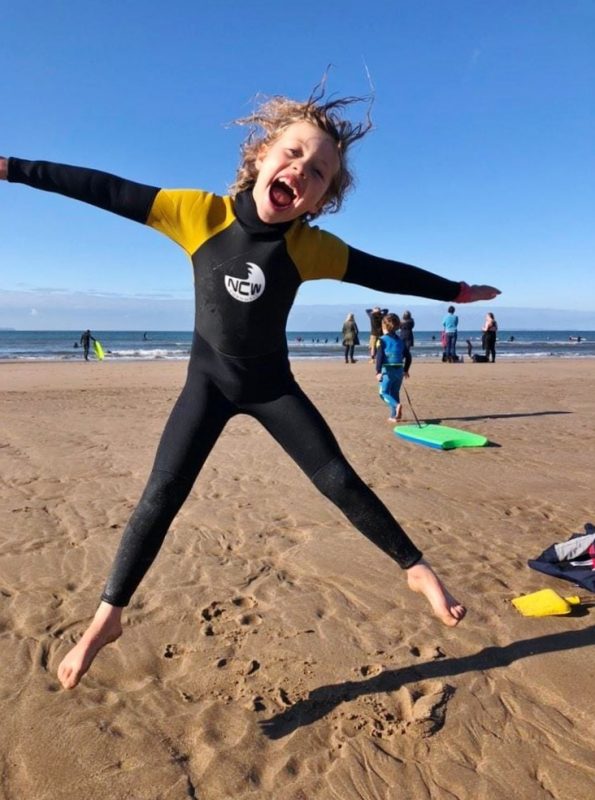
Don’t forget the non-wetsuit kit
Autumn watersports aren’t just about staying warm in the water.
For surfing, bodyboarding, paddle boarding and other activities, consider the complete kit:
In the water:
- Appropriate wetsuit
- Wetsuit boots when required
- Gloves when required
- Hood when required
- Appropriate buoyancy equipment where necessary
On the beach:
- Towel
- Changing robe
- Warm layers
- Hat
- Dry footwear
- Spare clothes
- Water and snacks
Having everything ready before you leave home makes the whole experience easier.
When should you stop for the day?
There’s no universal temperature at which every child should stop surfing.
Children are different, conditions vary and activities have different energy demands.
Instead, consider the overall situation.
If the water is getting colder, the wind is increasing, the session is becoming longer or your child is struggling to stay warm, it’s probably time to call it.
And if conditions are beyond their experience or ability, don’t force the session simply because you’ve travelled to the beach.
If in doubt, don’t go out.

Autumn can still be brilliant for kids
The arrival of autumn doesn’t have to mean putting the surfboard away.
With the right wetsuit and appropriate accessories, children can continue enjoying surfing and watersports well beyond the summer holidays.
The key is adapting as conditions change.
Check the water temperature. Choose the right wetsuit thickness. Make sure everything fits properly. Add boots, gloves or a hood when conditions require them. Keep children warm before and after their session and don’t be afraid to finish early.
Most importantly, make sure they associate autumn surfing with fun, confidence and good experiences on the water.
Because when the right kit makes a cold autumn day feel comfortable, there is no reason the surfing season has to end when summer does.
NCW tip
Before every autumn session, check the water temperature as well as the weather forecast. Our NCW resources can help you make a more informed decision about what to wear and whether conditions are suitable for your child’s session.
And remember: the right wetsuit isn’t necessarily the thickest one available — it’s the one that is appropriate for the conditions, fits properly and allows your child to stay warm, comfortable and mobile.
For all your kid’s wetsuit and wetsuit accessory needs, follow this link