
Blog
50 Questions UK Watersports Beginners Ask (Answered by NCW)
Thinking about trying surfing, paddle boarding, kayaking, wing foiling or another watersport?
Everyone starts somewhere. Here are 50 of the most common questions beginners ask, with simple answers to help you get on the water safely and confidently.
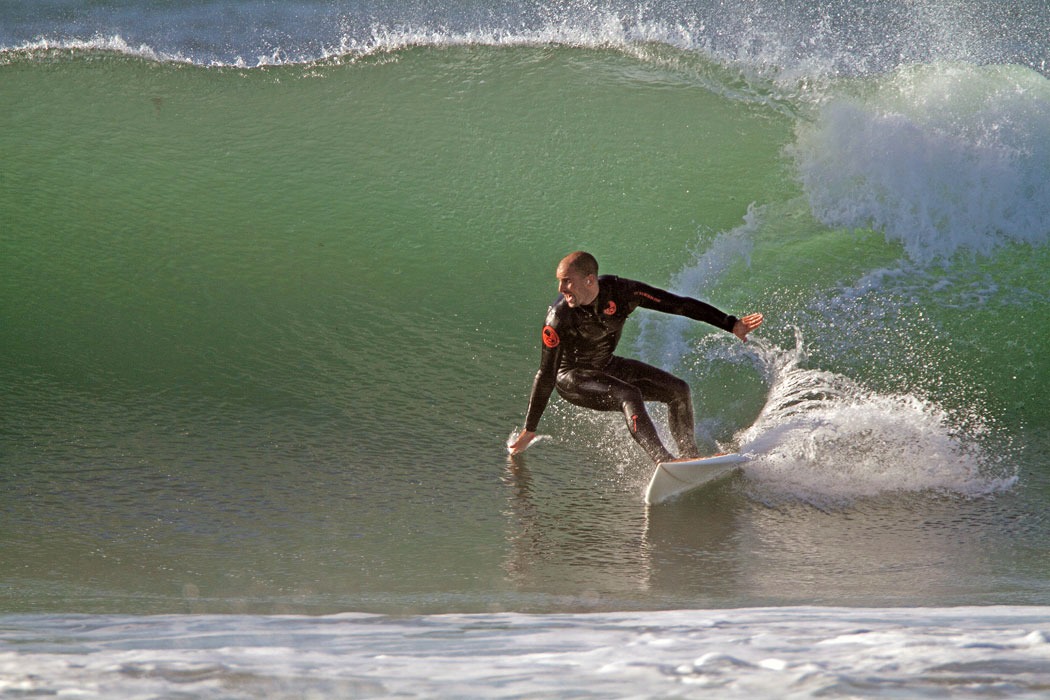
NCW wetsuits
Table of Contents
Getting Started
1. What is the easiest watersport to learn?
Stand-up paddle boarding (SUP) is one of the easiest sports for beginners thanks to its gentle learning curve and versatility.
2. Am I too old to start?
Not at all. People of all ages discover watersports every year. It’s never too late.
3. Do I need to be very fit?
No. Basic fitness helps, but you’ll naturally build strength and endurance as you spend more time on the water.
4. Which watersport is best for beginners?
SUP, bodyboarding and kayaking are excellent places to start before moving on to surfing or foiling.
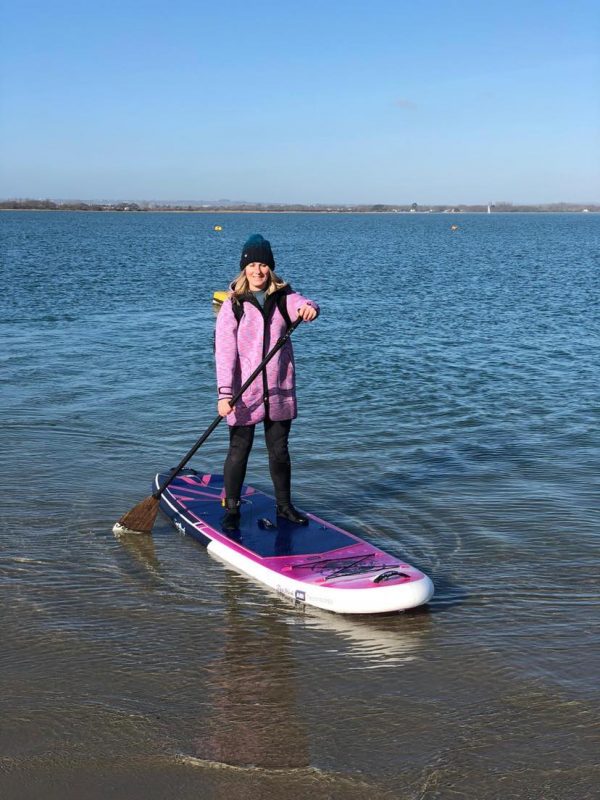
SUP boards, paddles & kit
5. Can I learn without lessons?
Yes, but lessons will help you learn correct techniques, improve faster and stay safer.
6. How often should I go?
Even one session a week is enough to build confidence and improve steadily.
7. Is it expensive to get started?
Not necessarily. Hiring equipment or buying good-quality used gear keeps costs low.
8. Can I enjoy watersports all year in the UK?
Absolutely. With the right clothing and equipment, every season offers great conditions.
9. Which sport is the most relaxing?
Paddle boarding and recreational kayaking are ideal if you enjoy calm water and exploring.
10. Which is the most exciting?
Surfing, wing foiling and kitesurfing offer incredible thrills once you’ve developed the necessary skills.
Clothing & Equipment
11. Do I need a wetsuit?
For most UK watersports, yes. A wetsuit helps keep you warm and comfortable.
12. How do I choose the right wetsuit?
Choose one based on the season, water temperature and the sport you’re doing.
13. Do wetsuits keep you dry?
No. They trap a thin layer of water which your body warms up.
14. Should I wear boots, gloves and a hood?
In colder months, they make a huge difference to warmth and comfort.
15. Is expensive equipment always better?
No. The best equipment is the gear that’s appropriate for your ability and local conditions.
16. Should I buy or hire equipment?
Hiring is ideal for beginners until you know what suits you.
17. How do I look after my gear?
Rinse everything with fresh water after use and let it dry naturally away from direct sunlight.
18. How long does equipment last?
Well-maintained gear can last for many years.
19. What should I take to the beach?
Water, snacks, sunscreen, a towel, warm clothes, a dry bag and plenty of enthusiasm.
20. Can I leave equipment in a hot car?
It’s best not to. Excessive heat can shorten the life of your gear.
Safety
21. Is the sea dangerous?
The sea deserves respect. Understanding conditions greatly reduces risk.
22. What is a rip current?
A rip current is a fast-moving channel of water flowing away from the beach. Learn to spot them before entering the sea.
23. What should I do if caught in a rip?
Stay calm, don’t fight the current, swim parallel to the shore and signal for help if needed.
24. How do I know if conditions are safe?
Check wind, weather, tides, surf forecasts and local beach information before every session.
25. What is cold water shock?
It’s your body’s natural reaction to sudden cold water immersion, which can affect breathing and movement.
26. Should beginners go out alone?
It’s much safer to go with a friend or tell someone where you’re going.
27. Do I need a buoyancy aid?
For many watersports, yes. Always follow local guidance and wear appropriate safety equipment.
28. Can I go out in strong winds?
Beginners should avoid strong winds and challenging conditions.
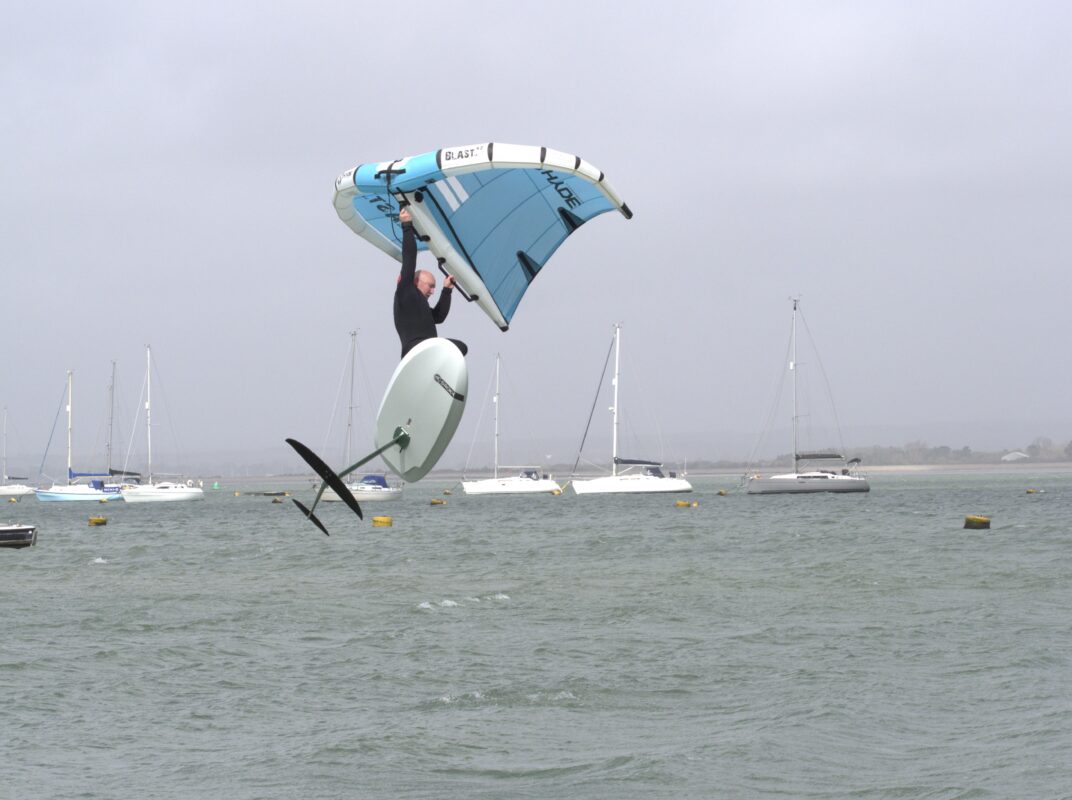
Wing Foiling & Foiling
29. What’s the golden rule?
Stay within your ability and never feel pressured to go out.
30. What if I’m unsure?
If in doubt, don’t go out.
Learning & Progress
31. How long does it take to improve?
Most people notice progress after just a few sessions.
32. Will I fall in?
Yes—and that’s completely normal. Falling is part of learning.
33. Is everyone watching me?
No. Everyone remembers being a beginner.
34. What’s the biggest beginner mistake?
Choosing conditions that are too challenging.
35. How can I improve faster?
Spend more time on the water in manageable conditions and focus on good technique.
36. Should children try watersports?
Absolutely. Many sports can be enjoyed safely with suitable supervision and equipment.
37. When should I upgrade my equipment?
Once your current gear starts limiting your progress.
38. Do I need to be able to swim?
For most watersports, yes. Being a confident swimmer is an important safety skill.

Cold open water swim gear
39. Is balance everything?
Balance helps, but timing, technique and confidence are just as important.
40. Is it normal to feel nervous?
Completely. Confidence comes with experience.
Ocean Knowledge & Lifestyle
41. What does “glassy” mean?
It describes calm, smooth water with little or no wind.
42. Why does wind direction matter?
Wind affects wave quality, paddling conditions and overall safety.
43. What is a swell?
A swell is a series of waves generated by distant weather systems.
44. Why do tides matter?
Tides change water depth, currents and the way waves break.
45. What’s the best time of day?
Early mornings and evenings often offer lighter winds (in summer) and quieter beaches.
46. Can I go out when it’s raining?
Yes, provided conditions are otherwise safe.
47. Is winter worth it?
Definitely. Winter often brings excellent waves and peaceful beaches, provided you’re dressed appropriately.
48. How do I meet other watersports enthusiasts?
Join a local club, book lessons, attend demo events or simply chat with people at your local beach.
49. How can I protect the ocean?
Take your litter home, avoid single-use plastics, respect wildlife and support beach clean initiatives.
50. What’s the best advice for any beginner?
Have fun, learn at your own pace, respect the ocean, check the conditions before every session and remember: every expert was once a beginner.
For more help and advice, get in touch with us