
Blog
What Wetsuit Do I Need Today? A UK Guide Based on Sea Temperature, Air Temperature, Wind and Your Watersport
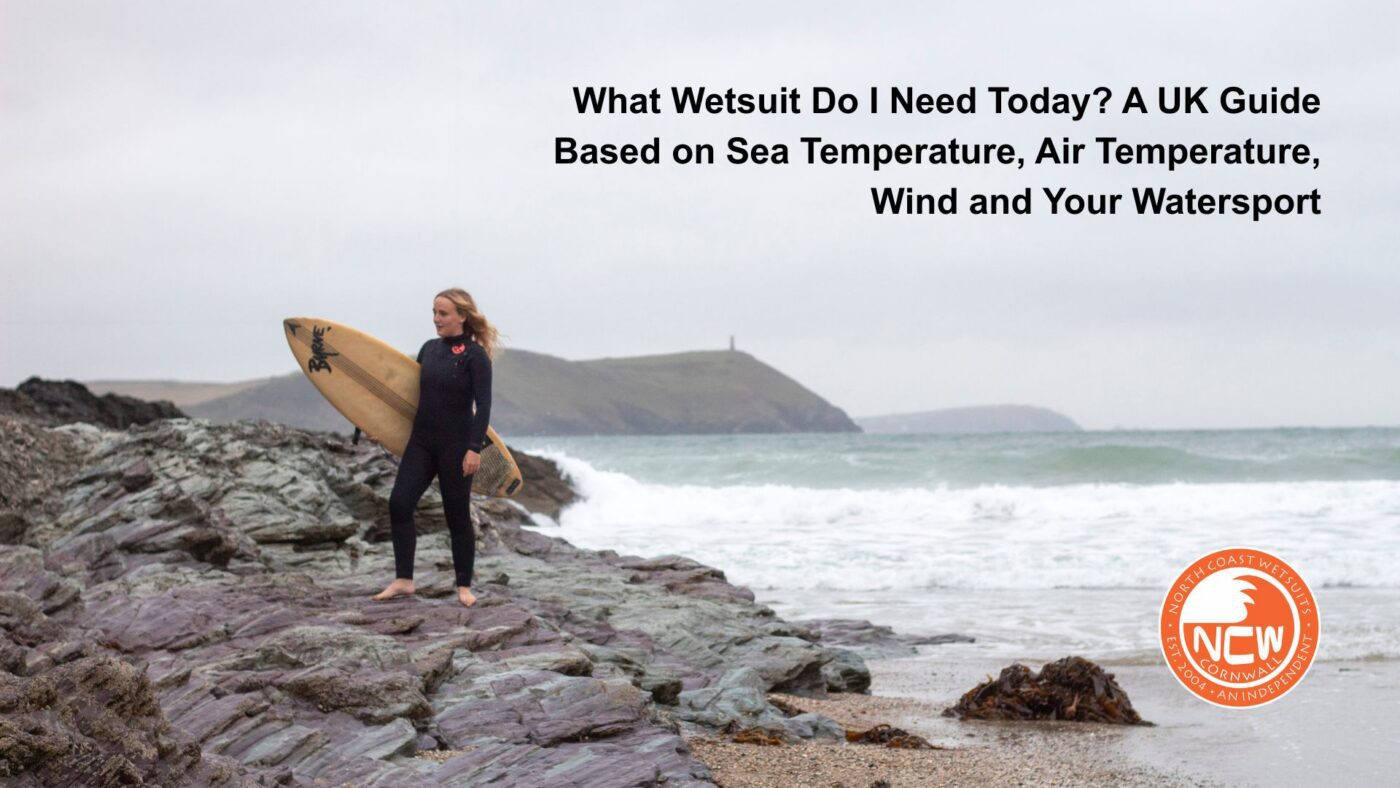
What Wetsuit Do I Need Today?
Choosing the right wetsuit isn’t just about the season. A sunny spring day can still have icy water, while a windy summer afternoon can leave you colder than a calm autumn session. The best wetsuit depends on several factors working together.
Table of Contents
The Complete Picture
At North Coast Wetsuits, we always recommend looking at the complete picture before heading out. Water temperature, air temperature, wind strength, how long you’ll be in the water and the type of activity you’re doing all affect how warm you’ll stay.
The Four Things That Matter Most
1. Sea Temperature
Water temperature is the biggest factor when choosing a wetsuit.
Unlike air, water removes heat from your body incredibly quickly. Even on a warm summer day, UK sea temperatures can remain surprisingly cold.
Click the image link below to get an idea of UK seasonal water temperature.
As a rough guide:
- Below 8°C – 5/4mm or 6/5mm winter wetsuit with boots, gloves and hood.
- 8–12°C – 5/4mm winter wetsuit with boots.
- 12–15°C – 4/3mm wetsuit, possibly with boots depending on location.
- 15–18°C – 3/2mm full wetsuit.
- 18°C+ – 2mm wetsuit, shorty or even boardshorts for experienced riders.
Find out more about wetsuit thickness relative to water and air temperature by clicking the image link above.
2. Air Temperature
A warm, sunny day doesn’t automatically mean you need a thinner wetsuit.
If the sea is still cold after winter, you’ll spend most of your session losing heat to the water rather than gaining warmth from the air.
Likewise, a cold winter day with bright sunshine can often feel more comfortable than a cloudy summer day with a cold wind.
3. Wind Strength
Wind dramatically increases heat loss, especially once you’re out of the water.
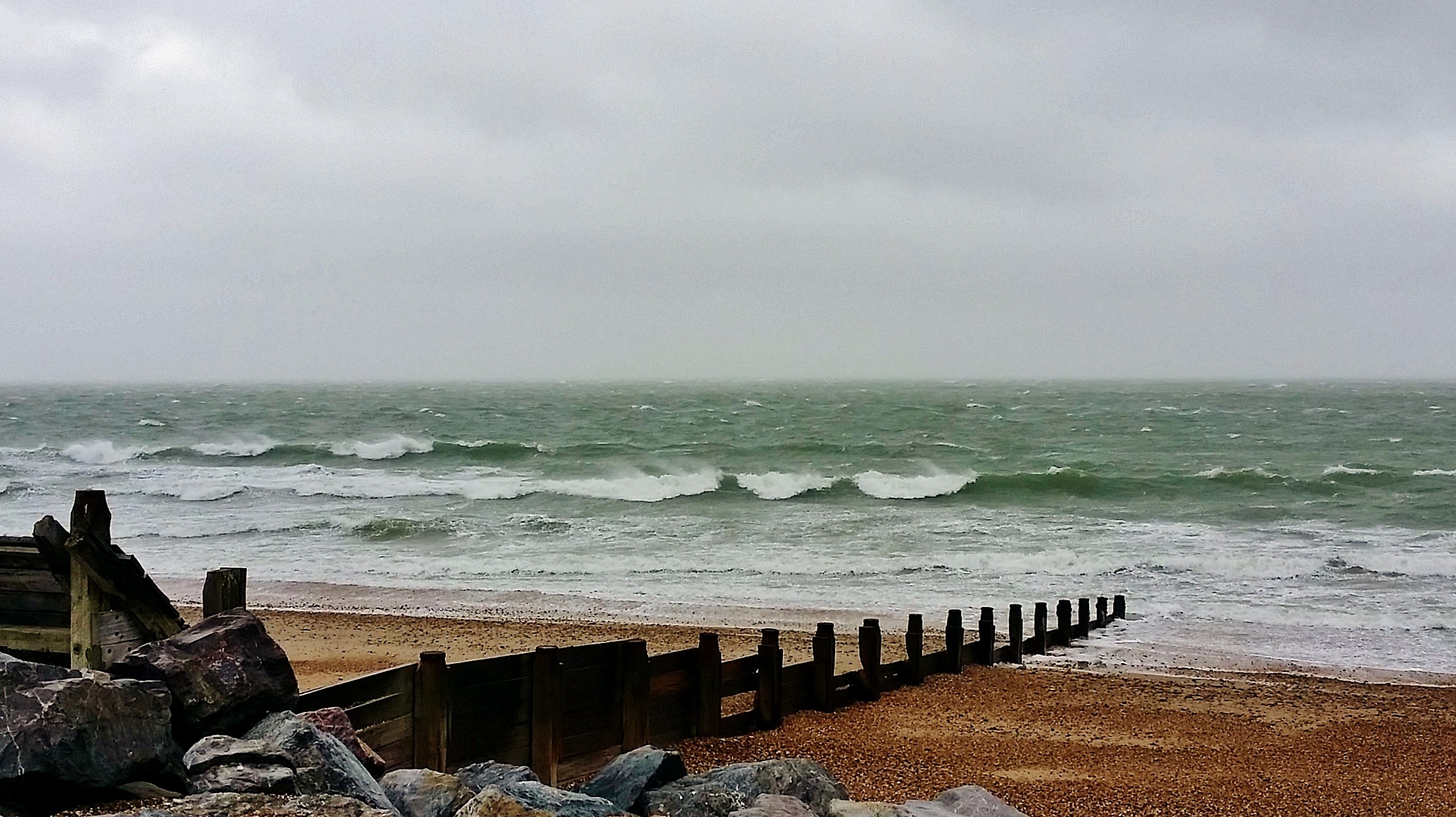
Strong offshore or cross-shore winds can make changing after your session miserable if you’re underdressed.
Wind also affects different sports differently. Surfers spend more time immersed, while wing foilers and windsurfers are exposed to the wind for much of the session.
4. Your Activity
Different sports require different wetsuits.
Surfing
Surfers spend long periods sitting in cold water waiting for waves. Warmth should be prioritised.
Paddle Boarding
You’ll generally spend less time immersed, so a thinner wetsuit is often more comfortable. Flexibility can be just as important as insulation.
Wing Foiling
Wing foiling is surprisingly physical. Once moving you’ll generate plenty of heat, but the wind chill can still be significant. Many riders choose a wetsuit that’s one step thinner than they would wear surfing.
Windsurfing
Similar to wing foiling, windsurfers generate body heat while sailing but remain exposed to cooling winds.
Kayaking & Canoeing
Depending on the conditions, paddlers often benefit from flexible wetsuits or layered systems that prioritise comfort and freedom of movement.
UK Seasonal Guide
Winter (December–March)
Sea temperatures are typically at their coldest.
Recommended:
- 5/4mm or 6/5mm wetsuit
- Boots
- Gloves
- Hood
Spring (April–May)
Air temperatures rise quickly but the sea often remains cold.
Recommended:
- 5/4mm or warm 4/3mm
- Boots for most people
Summer (June–August)
The warmest water of the year.
Recommended:
- 3/2mm
- 2mm
- Shorty depending on conditions
Autumn (September–November)
Many watersports enthusiasts consider autumn the best season. The sea retains summer warmth while air temperatures remain comfortable.
Recommended:
- 3/2mm moving towards 4/3mm later in the season.
Don’t Forget Your Personal Cold Tolerance
Everyone feels the cold differently.
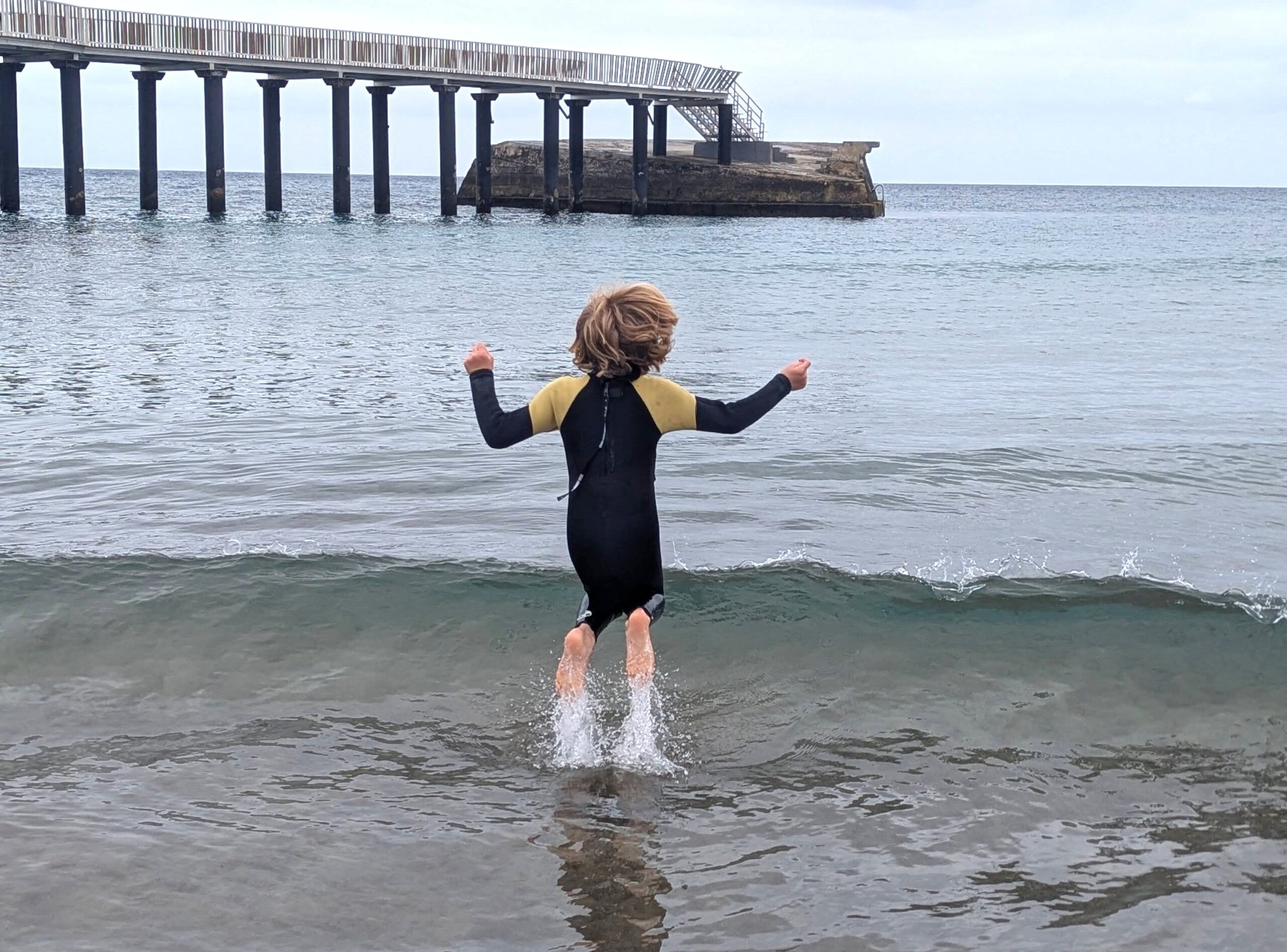
Your ideal wetsuit thickness depends on:
- Age
- Body size
- Fitness
- Experience
- Time spent in the water
- Whether you naturally feel the cold
If you’re unsure, it’s usually better to be slightly too warm than dangerously cold.
Cold Shock Is a Real Risk
Even experienced watersports enthusiasts can experience cold shock when entering unexpectedly cold water.
Cold shock can cause:
- Uncontrolled gasping
- Rapid breathing
- Panic
- Reduced swimming ability
Always check the latest sea conditions before entering the water. If you’re in any doubt about the conditions or your equipment, don’t go out.
Use Live Conditions, Not Guesswork
Weather apps only tell part of the story.
For the best wetsuit recommendation, check:

Combining these gives you a far more accurate idea of what you’ll need than simply looking outside the window.
North Coast Wetsuits Can Help
Whether you’re surfing, paddle boarding, wing foiling, kayaking or windsurfing, choosing the right wetsuit makes every session safer, warmer and more enjoyable.
Use the free North Coast Wetsuits Ocean Intelligence Lab tools to check live sea temperatures, weather and conditions before every session, then use our Wetsuit Finder (click the image link below) to discover the ideal wetsuit for today’s conditions.
If you’re still unsure, get in touch with our friendly team. We’ve been helping UK watersports enthusiasts stay warm for years and we’re always happy to point you in the right direction.
Frequently Asked Questions
Is a 4/3 wetsuit warm enough in the UK?
For much of spring, autumn and cooler summer days, yes. During winter, most people will prefer a 5/4mm wetsuit.
Can I surf in a 3/2 wetsuit?
Yes, during warmer months or in southern UK waters, but it may be too cold during spring and winter.
Is a thicker wetsuit always better?
Not necessarily. A wetsuit that’s too thick can restrict movement and cause overheating. The aim is to find the right balance between warmth and flexibility.
Should beginners wear a warmer wetsuit?
Generally yes. Beginners often spend longer in the water and generate less body heat, making a slightly warmer wetsuit the safer option.
NCW wetsuits
All wetsuits
Want to read our fair returns policy first?Final Thoughts
The best wetsuit isn’t simply the thickest one you own. It’s the one that’s right for today’s conditions.
Check the sea temperature. Check the wind. Check the weather. Think about your activity and how long you’ll be in the water.
Do that every session, and you’ll stay warmer, safer and enjoy your time on the water far more.
Get in touch with us – we’re only happy to help!