
Blog
Surfing & Watersports – the Benefits of Being a Versatile Waterman or Woman 101
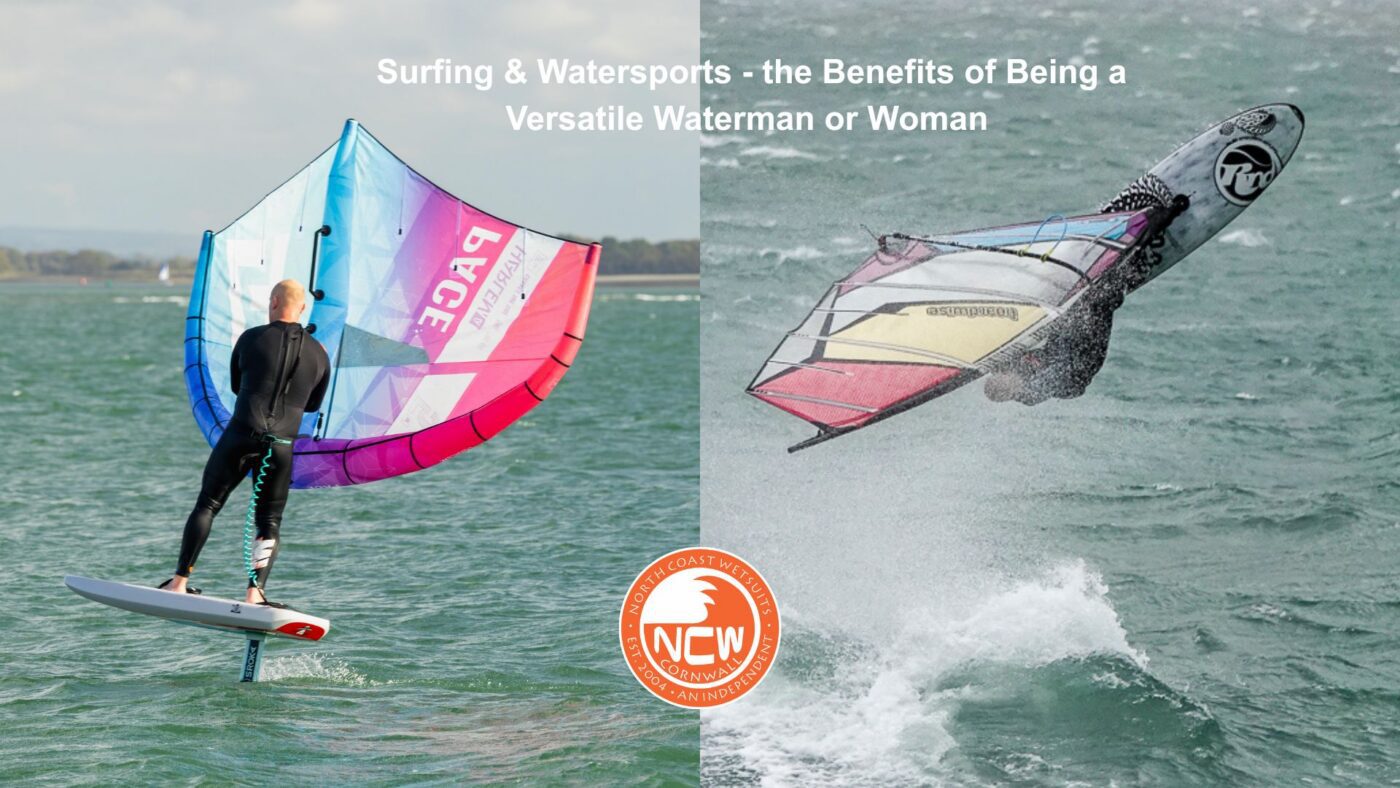
Surfing and watersports can be lifelong pursuits. For some, it’s just the one activity. For others – in the case of NCW team rider Tez, it’s all about multiples.
Down the Rabbit Hole
There’s something about water that never quite lets you settle. You might think you’ve found your lane—your thing—but give it time, a bit of wind, a different board, or a nudge from a mate, and suddenly you’re off down another rabbit hole.
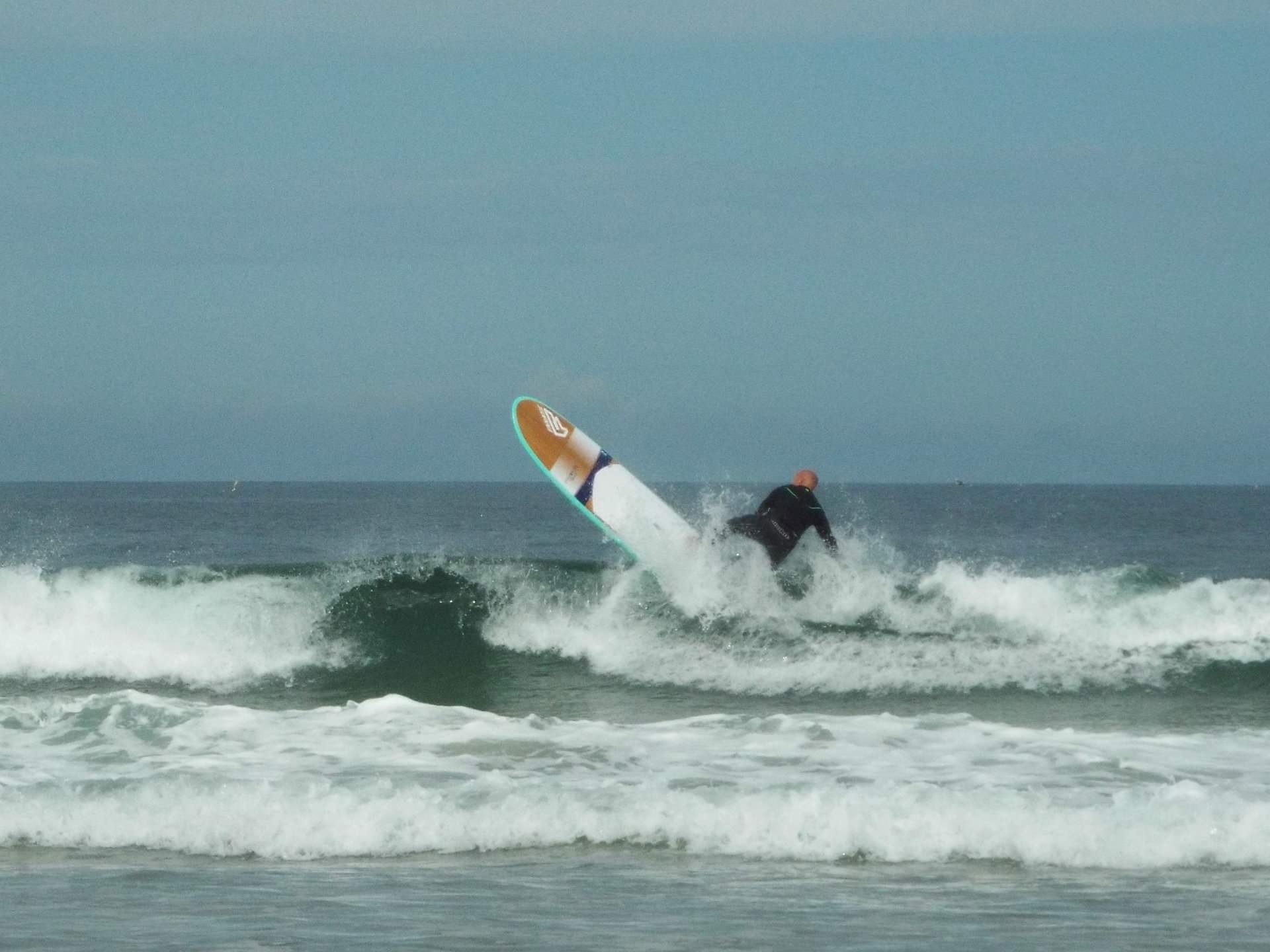
That’s been the story for me, and if there’s one takeaway, it’s this: doing multiple watersports doesn’t dilute your experience—it sharpens it.
At the Start
It all started in the foam. Bodyboarding was the gateway. No ego, no overthinking—just you, a slab of water, and the simple aim of riding it as far as you could. It teaches instinct. Timing. Feel. You’re close to the ocean, reading it without even realising. As a five-year-old you’re not thinking about all thsi stuff, you’re just focused on fun. None-the-less you’re learning and developing skills for what will come later.

Surfing was up next, naturally. Standing up added a layer of complexity, sure, but the foundations were already there. And, again, as a kid (without fear) it’s arguably easier. Positioning, wave awareness, patience—they all transfer. And that’s the thing with cross-discipline watersports: skills stack – even when still a grom.
Surfing to Windsurfing
From there – albeit much later in my teens – windsurfing entered the picture. A completely different energy. (Literally) Harnessing wind instead of just reacting to waves changes your mindset. You start thinking in angles, pressure, efficiency.

It’s less about waiting and more about working with what’s in front of you. That shift—learning to generate speed, not just receive it—feeds back into everything else. Even your surfing improves because you begin to understand flow on a deeper level.
A Kite?
Like most people who get hooked on wind, there’s a point where you look sideways at kitesurfing. It’s hard not to. The pull, the height, the freedom—it’s intoxicating. So yeah, I dabbled. Enough to respect it, enough to know it’s a discipline that demands commitment.


The same goes for sailing. Time on boats teaches you about weather systems, wind shifts, and reading the bigger picture. You come away with a broader understanding of the environment you’re playing in. (One of the big reasons we’ve been keen to get our kids into sailing.
Paddle Boarding Happened!
Then paddle boarding happened. It didn’t just arrive—it exploded. Suddenly, everyone was on a SUP, and for good reason. Accessible, versatile, and surprisingly technical when you push it.
Flatwater cruising, wave riding, downwinding—it opened doors. And again, it added layers. Balance improved. Core strength sharpened. Ocean awareness deepened. You start noticing micro-changes in water texture, wind lines, and current. All of it feeds back into your other sports.
Flight Time
More recently, it’s been all about foiling. Wing foiling and SUP foiling, in particular. These are game changers. The sensation of lift—of flying above the water—rewires how you think about movement. Everything becomes smoother, quieter, more efficient.
But it’s not easy. Foiling demands precision. Tiny inputs, big consequences. And here’s where that multi-sport background really pays off. The balance from SUP, the wind sense from windsurfing, the wave reading from surfing—it all comes together.
More Paddling
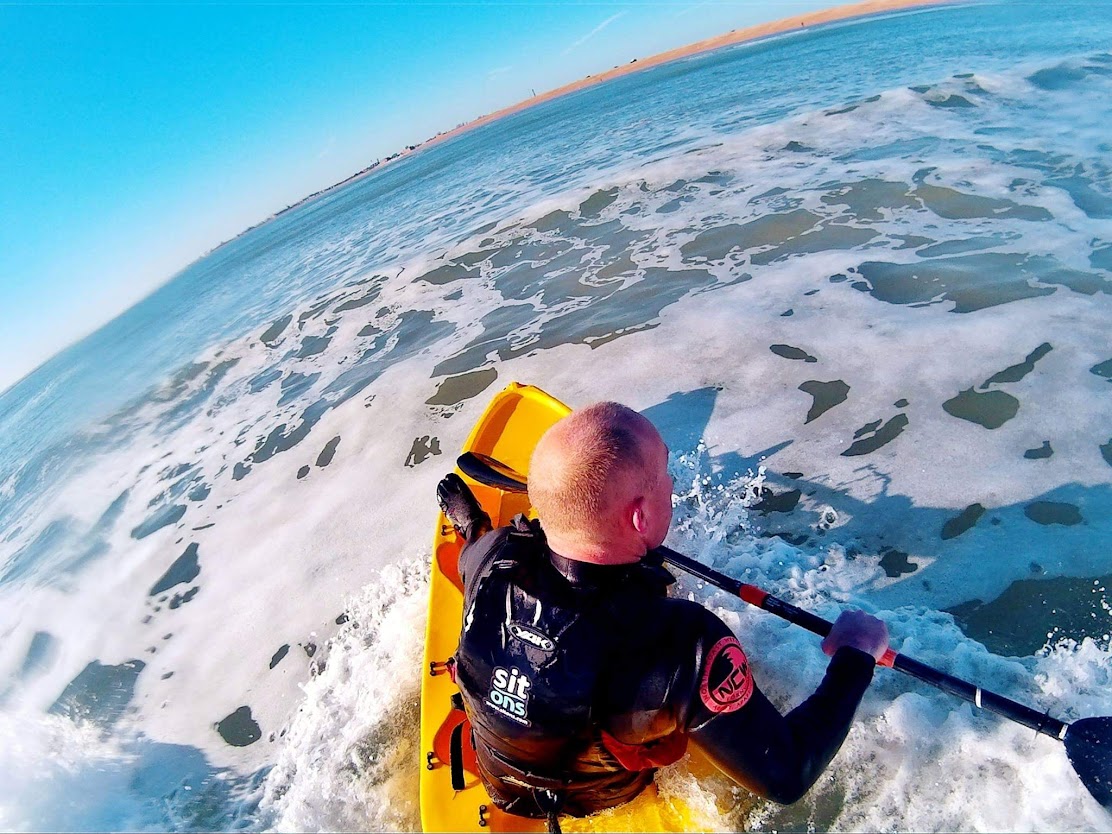
Kayaking has always been in the mix as well. It’s one of those underrated disciplines that builds serious water confidence. Whether you’re punching through surf or exploring coastlines, it gives you a different perspective. You’re lower again, more connected, reading water in a way that’s closer to bodyboarding than anything else. It rounds things out.
Flat Day Surfing Fun (On Land)
And through all of this, skateboarding has been in the background in one way or another. It’s the thread that ties it all together. When the ocean’s flat or the wind’s gone, you’re still moving. Still carving. Still working on flow.
More recently, surf skate has taken that to another level. It’s not just messing about on land—it’s training. Dialling in turns, weight shifts, muscle memory. You can feel it translate directly back into the water, especially with surfing and foiling.
Anything Else?
Wakeboarding? Yeah, that’s been ticked off too. Another pull-based discipline, another angle on edge control and body positioning. Every sport adds something. Sometimes it’s obvious, sometimes it’s subtle, but it’s always there.
The Mental Benefit of Surfing and Watersports
The real benefit of doing multiple watersports isn’t just physical—it’s mental. You stay curious. You stay adaptable. You avoid plateaus because when one discipline stalls, another pushes forward. Conditions don’t dictate whether you get out—they just dictate what you do.
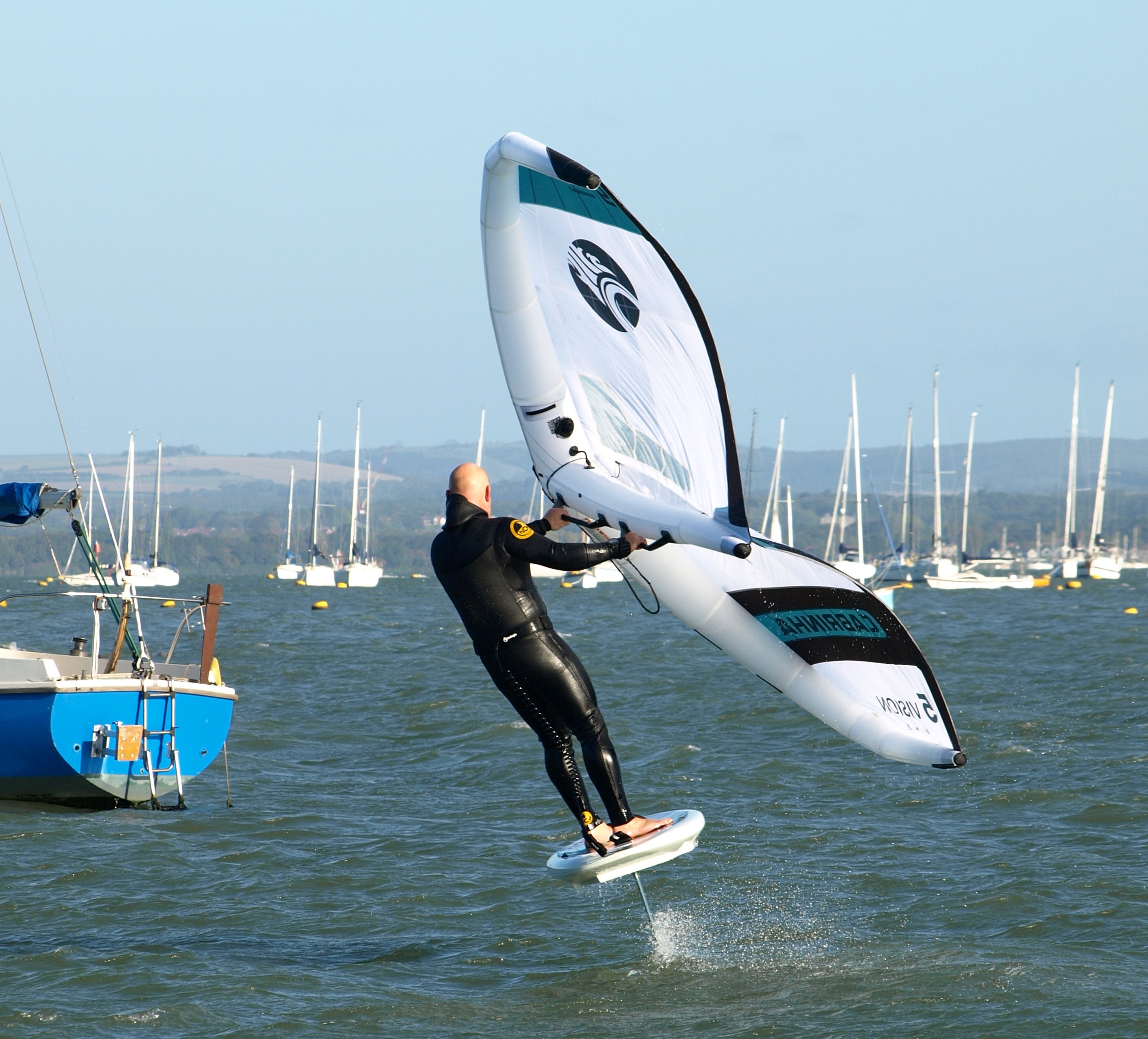
Windy? Grab a wing. Flat? Go paddle. Small waves? Longboard or SUP. No water time? Hit the surf skate. There’s always a way to keep progressing.
North Coast Wetsuits for the Win!
And underpinning all of it is having the right gear. In recent times that’s where North Coast Wetsuits has been a constant. Whatever the discipline—cold winter surfs, windy wing sessions, long SUP paddles, or early morning skate warm-ups (Waterborne Skateboards gear in this case)—having kit that works, that’s built for UK conditions, makes the difference.
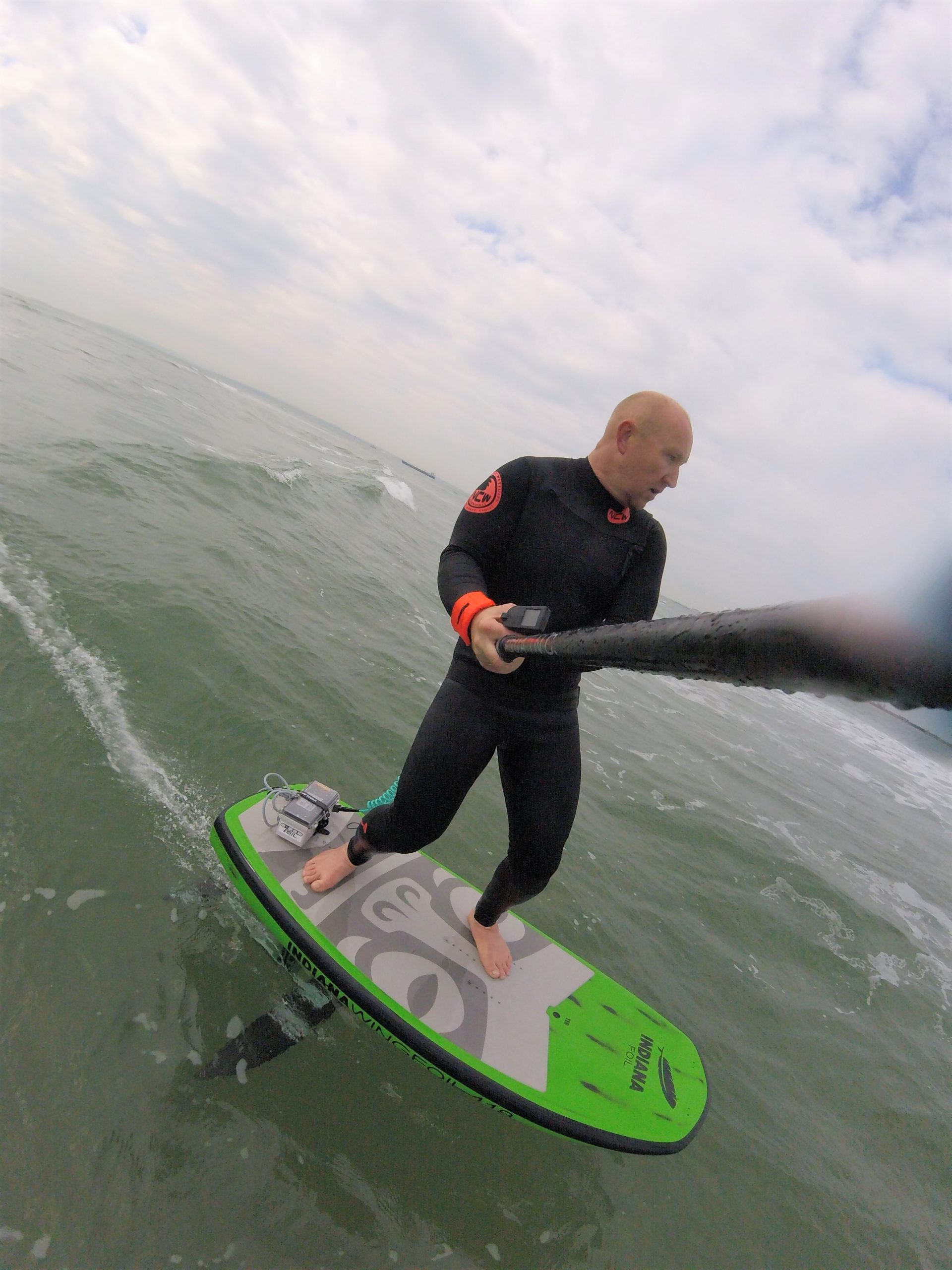
It’s not about overcomplicating things where wetsuits are concerned. It’s about reliability, warmth, flexibility—gear that lets you focus on the session, not on whether you’re going to last it out.
Time to Branch Out?
If you’re on the fence about branching out—don’t be. Start where you are. Maybe it’s bodyboarding, maybe it’s surfing. But stay open. Try things. Borrow kit. Fall in. Get dragged. Figure it out. Because every new discipline doesn’t take away from your core sport—it feeds it.
And before long, you won’t just be a surfer, or a paddler, or a foiler. You’ll be a waterman or woman in the truest sense.
Check out North Coast Wetsuits extensive range of surfing and watersports wetsuits and gear in the online shop here