
How Warm Is the Sea? UK Seasonal Water Temperature Checker
How Warm Is the Sea? UK Seasonal Water Temperature Checker and Wetsuit Gear Suggestions.
A general guide to UK seasonal water temperatures and how warm the sea is based on general seasonality. Use the interactive tool below to get a general feel of what the UK’s sea temperature is according to seasonality. This can then help you to choose the correct NCW wetsuit.
Note: This is a free interactive tool that gives general sea temperature averages based on Meteorological seasonal data. THIS IS NOT LIVE DATA. Always use your common sense when entering the water and wear the right protection and a proper-fitting wetsuit. Contact us at NCW for help with all wetsuit queries here.
NCW Local Spot – Polzeath Community Webcam
Navigation
Temperature Guide
UK Seasonal Sea Temperature Guide
Quick comparison with wetsuit recommendations. Click one of the months below to view.
Temperature
6–10°C
General Feel
Very cold. Gloves, boots and hood are usually part of the picture.
Wetsuit Recommendation
5/3mm to 5/4mm with boots, hood and gloves.
Temperature
7–12°C
General Feel
Still cold, especially early spring when the sea is often near its yearly low. Many people get caught out at this time of year.
Wetsuit Recommendation
5/3mm to 5/4mm full suit, often with boots and sometimes gloves.
Temperature
15–20°C
General Feel
More comfortable, but often still cool enough for a proper suit unless particulalry hot. Even then, wetsuit protection is best for safety.
Wetsuit Recommendation
3/2mm to 4/3mm full suit depending on region, wind and session length.
Temperature
10–17°C
General Feel
Can stay pleasant early on, then cool rapidly as the season moves on.
Wetsuit Recommendation
4/3mm to 5/3mm or 5/4mm full suit, with boots becoming more useful later in the season.
UK Meteorological Seasons:
Winter: December, January, February
Spring: March, April, May
Summer: June, July, August
Autumn: September, October, November
Winter: December, January, February
Spring: March, April, May
Summer: June, July, August
Autumn: September, October, November
This is a quick guide to help customers. For more accurate details about UK seasonal sea temperatures, further research is recommended.
Note: local weather, wind direction, tides and heatwaves/cold snaps can shift temperatures from averages.
Quick Q&A
UK Sea Temperature Quick Answers
Common questions UK surfers, swimmers, paddle boarders and general water users ask before getting in the sea.
Can I surf in 10°C water?
Yes, but you’ll need proper kit. A 5/4mm or 6/5/4mm wetsuit, boots, gloves and often a hood are recommended for most UK surfers in 10°C water. Layering your gear with thermal rash vests and so on is key. Wind chill will also need to be factored in.
Is 15°C warm enough without a wetsuit?
For most people, no. 15°C may sound mild but still feels cold in UK conditions – esepciall if breezy which can lower the ‘feels like’ temperature further. A 3/2mm or 4/3mm wetsuit is usually more comfortable.
Do I need boots in spring?
Usually yes. UK spring can have some of the coldest sea temperatures of the year. This is when things like cold shock canbe a real danger. 3mm–5mm boots are often still a smart choice.
What wetsuit for 18°C UK sea temp?
A 3/2mm full suit is ideal for most users. Warmer days may allow shorty sessions, but wind chill often changes the equation. Be awrare UK weather and sea conditions can change quickly. Be prepared. Layers are your freind. You can remove/add layers as required.
Why is UK sea often colder than the air temperature?
Sea temperatures change slowly. Even during sunny spring days, the water often remains winter-cold, which catches many people out. As mentioned elsewhere this is when cold shock can be a danger.
What about SUP, kayaking, windsurfing, kitesurfing, wing foiling (surface sports)?
Even with less immersion (with watersports where riders are more on top of the water), wind chill matters. For all water users wetsuit thickness still depends on water temp, wind and session duration.
Cold Shock
!
Cold Shock Reality Check
Remember: UK sea temperatures can feel far colder than the air temperature suggests.
Sunny spring days often fool people into thinking conditions are warmer than they are. In reality, spring frequently delivers some of the coldest water of the year, even when you’re sat on the beach in a T-shirt. COLD SHOCK CAN HAPPEN AT ANY TIME OF YEAR – NOT JUST IN SPRING. See more about cold shock vai the link below.
Seasonal Temperature Table
| Season | General UK Water Temp | Typical Wetsuit | Common Extras |
|---|
| Winter | 6–10°C | 5/3mm to 6/5/4mm | Boots, hood, gloves |
| Spring | 7–12°C | 5/3mm | Boots, sometimes gloves |
| Summer | 15–20°C | 3/2mm to 4/3mm | Boots optional by region |
| Autumn | 10–17°C | 4/3mm to 5/3mm | Boots increasingly useful |
Winter in the UK Sea -Typical Scenarios & Wetsuit Choice
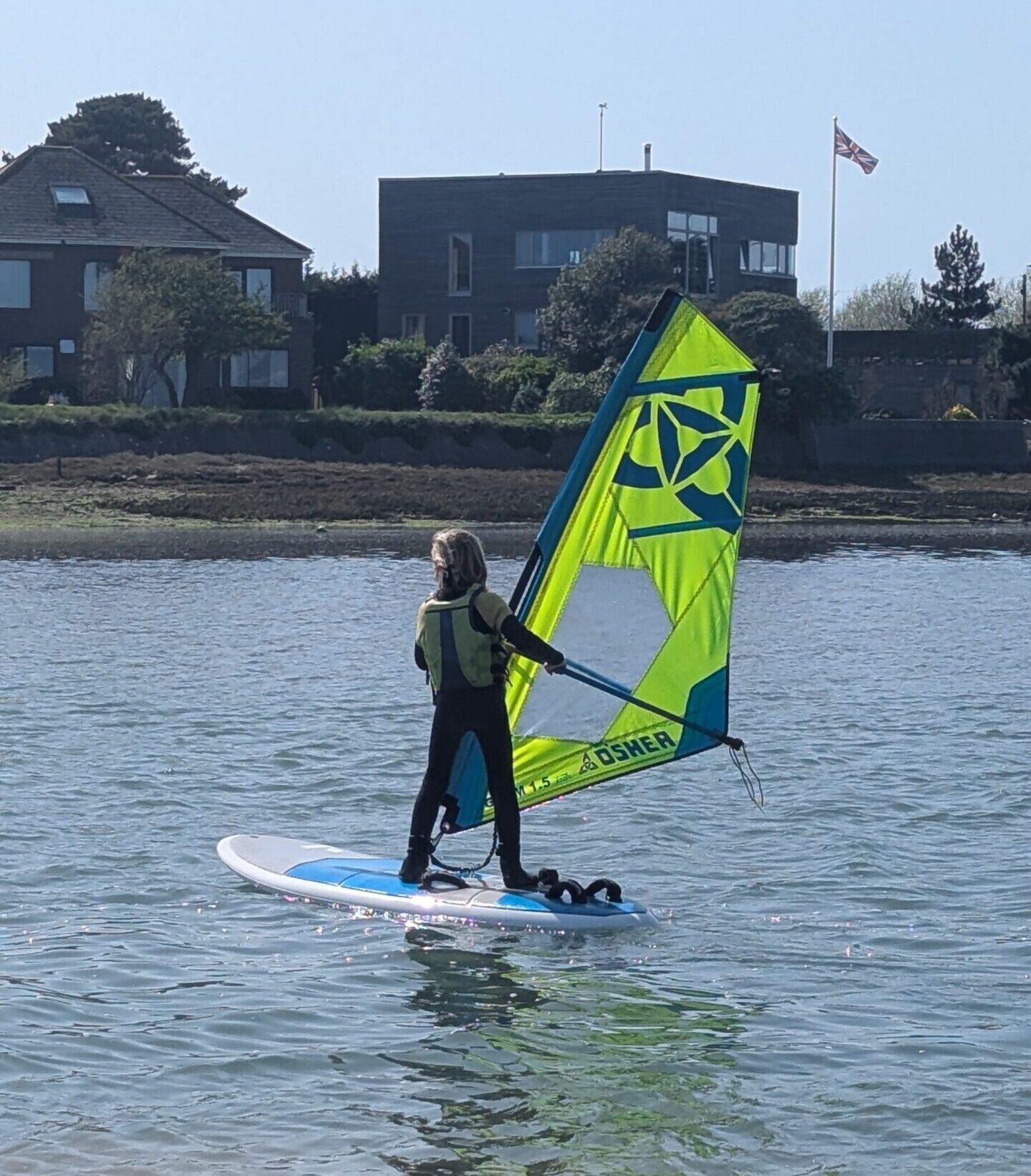
Across the colder months, many UK coastal waters sit in the 6–10°C range. This is proper cold-water territory. For surfing, wing foiling, windsurfing, open-water swimming and long paddles, most people will want a winter-grade wetsuit and accessories. ‘How warm is the sea?’ becomes even more important question.
Which wetsuit usually works best:
- 5/3mm, 5/4mm or 6/5/4mm full suit
- Hood for exposed coasts and longer sessions
- Boots for comfort and safety
- Gloves where wind chill and repeated dunking are factors
Spring in the UK Sea
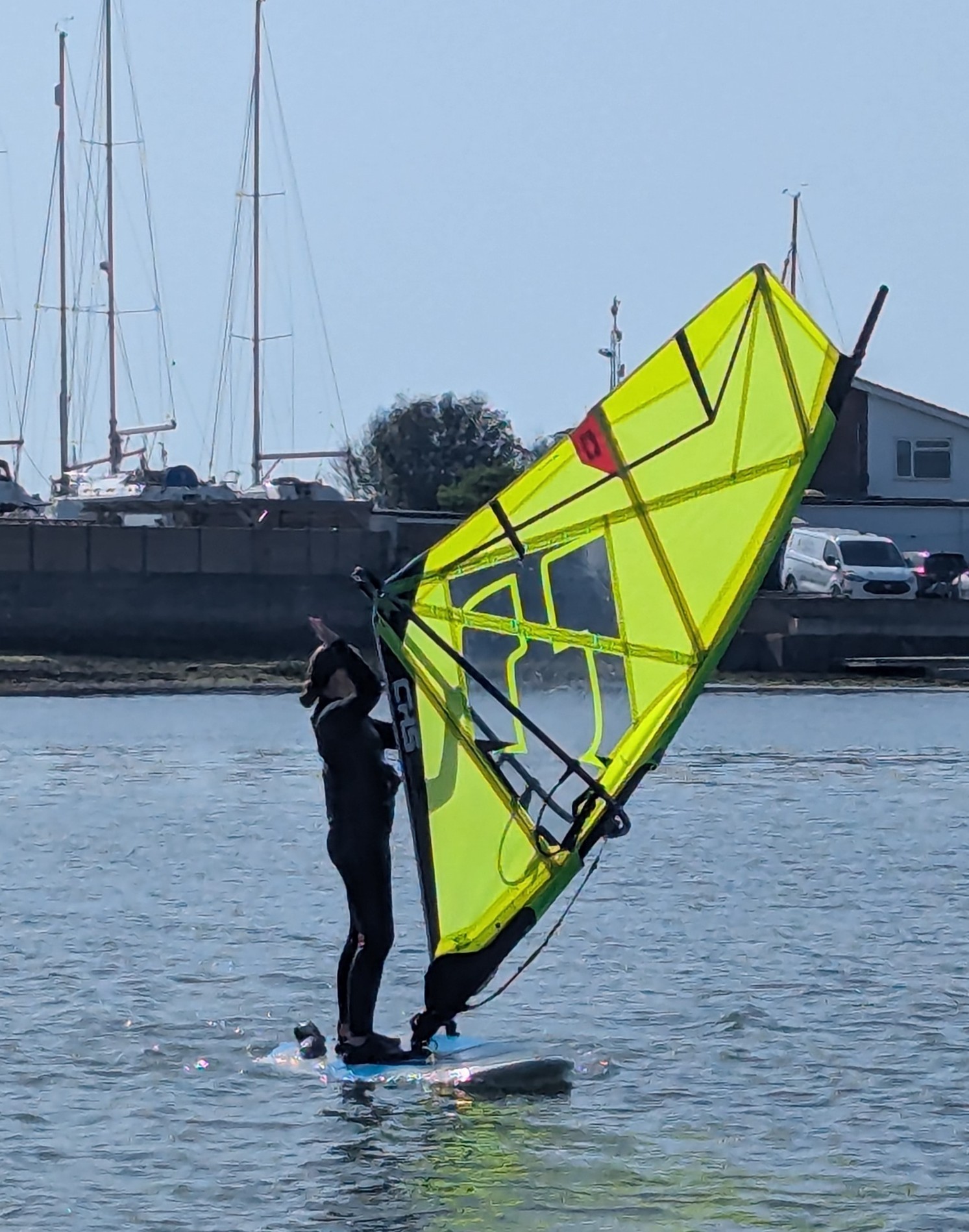
Spring can be deceptive. Air temperatures may improve, but the sea often stays cold and is frequently near its lowest point in early spring. A lot of people underdress in spring because the land feels mild.
Which wetsuit usually works best:
- 5/3mm or 5/4mm full suit
- Boots remain useful in many areas
- Gloves may still be needed in early spring or northern regions
Summer in the UK Sea
UK summer sea temperatures often land in the 15–20°C bracket depending on region and weather pattern. In the south-west and during settled warm spells, some days can feel notably easier. But for many active watersports, a suit is still the sensible choice.
Which wetsuit usually works best:
- 3/2mm full suit for warmer southern conditions and shorter sessions
- 4/3mm for comfort, windier days or more exposed coasts
- Shorty only for selected warm, sheltered conditions and confident users
Autumn in the UK Sea
Autumn can deliver some of the most enjoyable water time of the year, especially in early autumn when the sea still holds summer warmth. As the season progresses, thickness needs ramp up again.
Which wetsuit usually works best:
- 4/3mm in early autumn
- 5/3mm or 5/4mm as temperatures drop and storms increase
- Boots are increasingly useful in late autumn
Water Temperature UK Region Notes Section
Southern England
Generally the mildest sea temperatures in the UK, with summer and early autumn offering the easiest entry point for most users. Although there’s still the question, ‘how warm is the sea?’ and ‘which wetsuit do I need?’
South-West England
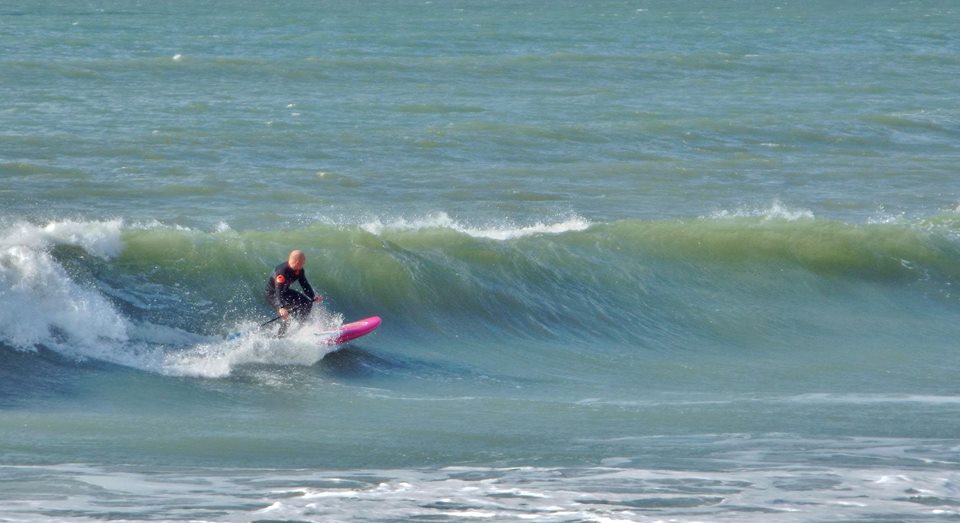
Popular for surfing and mixed watersports. Summer can be relatively comfortable by UK standards, though Atlantic exposure can keep things punchy.

Wales
Highly variable by coast and exposure. Excellent watersports options, with a proper Atlantic feel in many areas.

East of England
Often more sheltered in places, but the North Sea can feel notably colder. You’ll definitely need to answer the question, ‘which wetsuit do I need?’ when in the sea here.
North of England and Scotland
Expect colder averages and a more serious kit requirement outside the warmest periods.
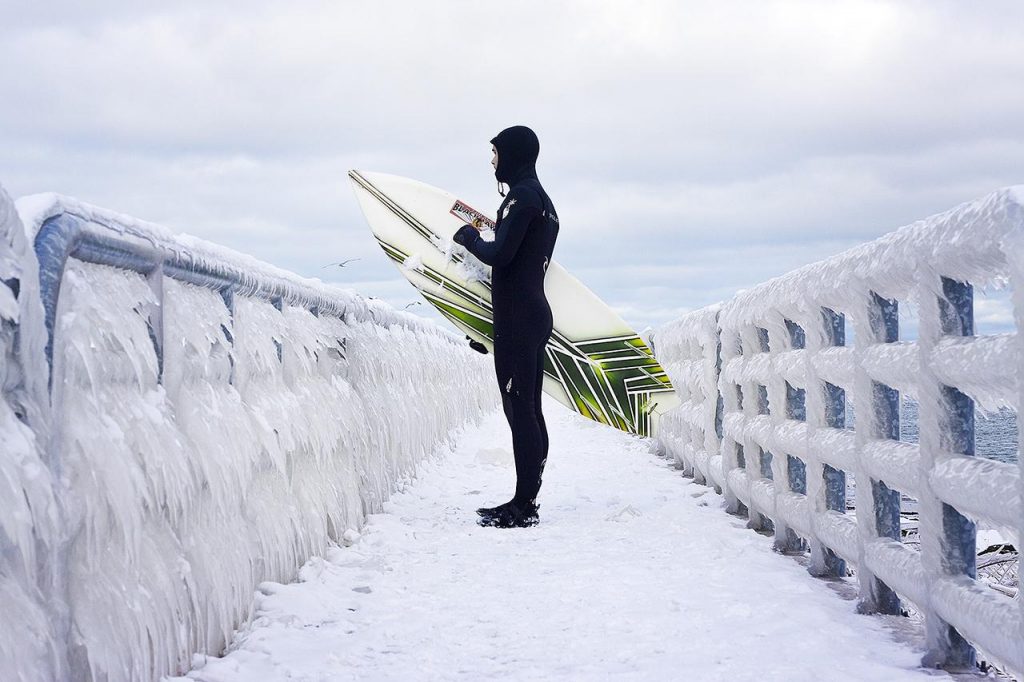
Check out NCW’s wetsuit picker here for help with choosing a wetsuit.
Find more average UK water temperature info here