
Blog
Surfing: Coming Out of a Hole and Finding Flow When Life Gets Complicated
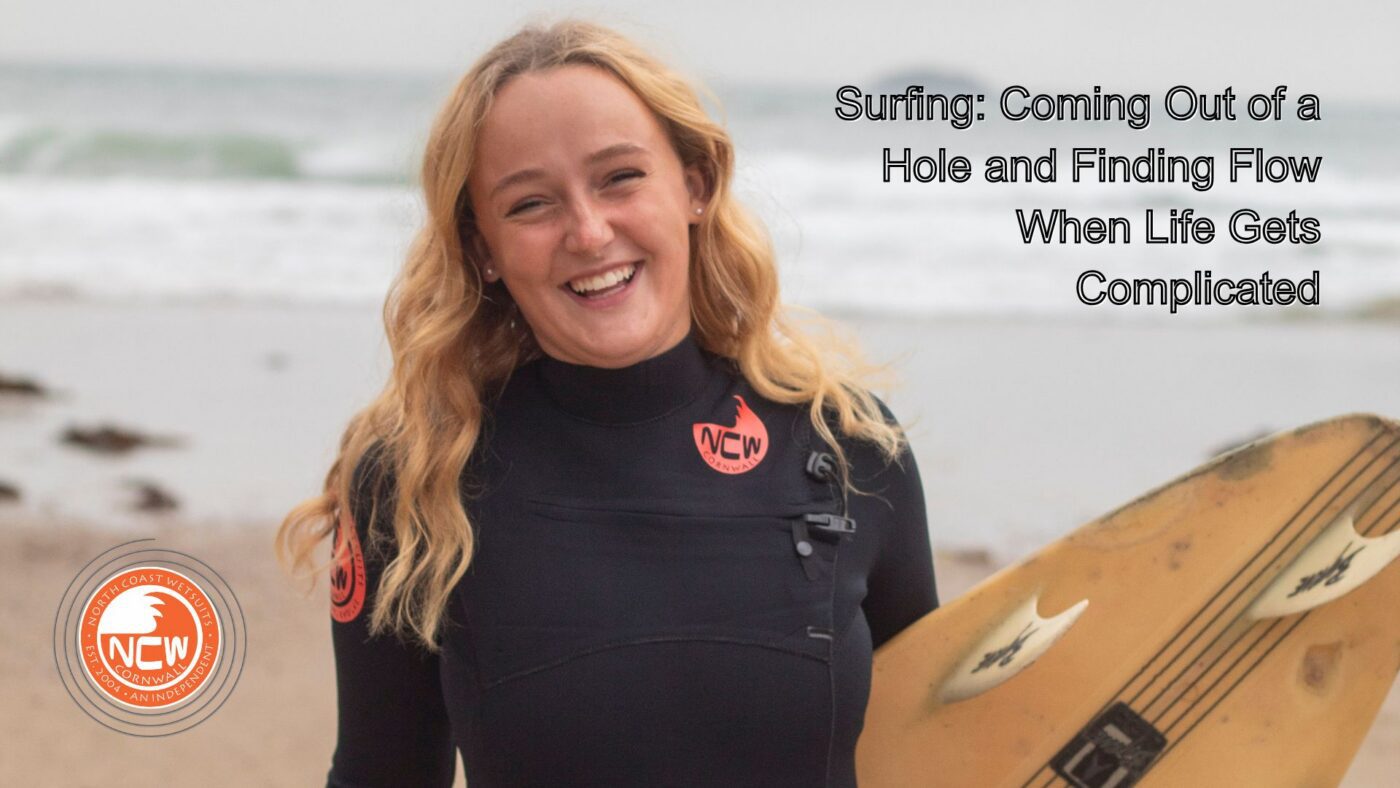
Surfing is therapy. (Or can be). The same with watersports in general and other similar activities like skateboarding.
However, with life being as it is, finding that flow isn’t always easy. As this article talks about.
Note: the following is based on a personal experience.
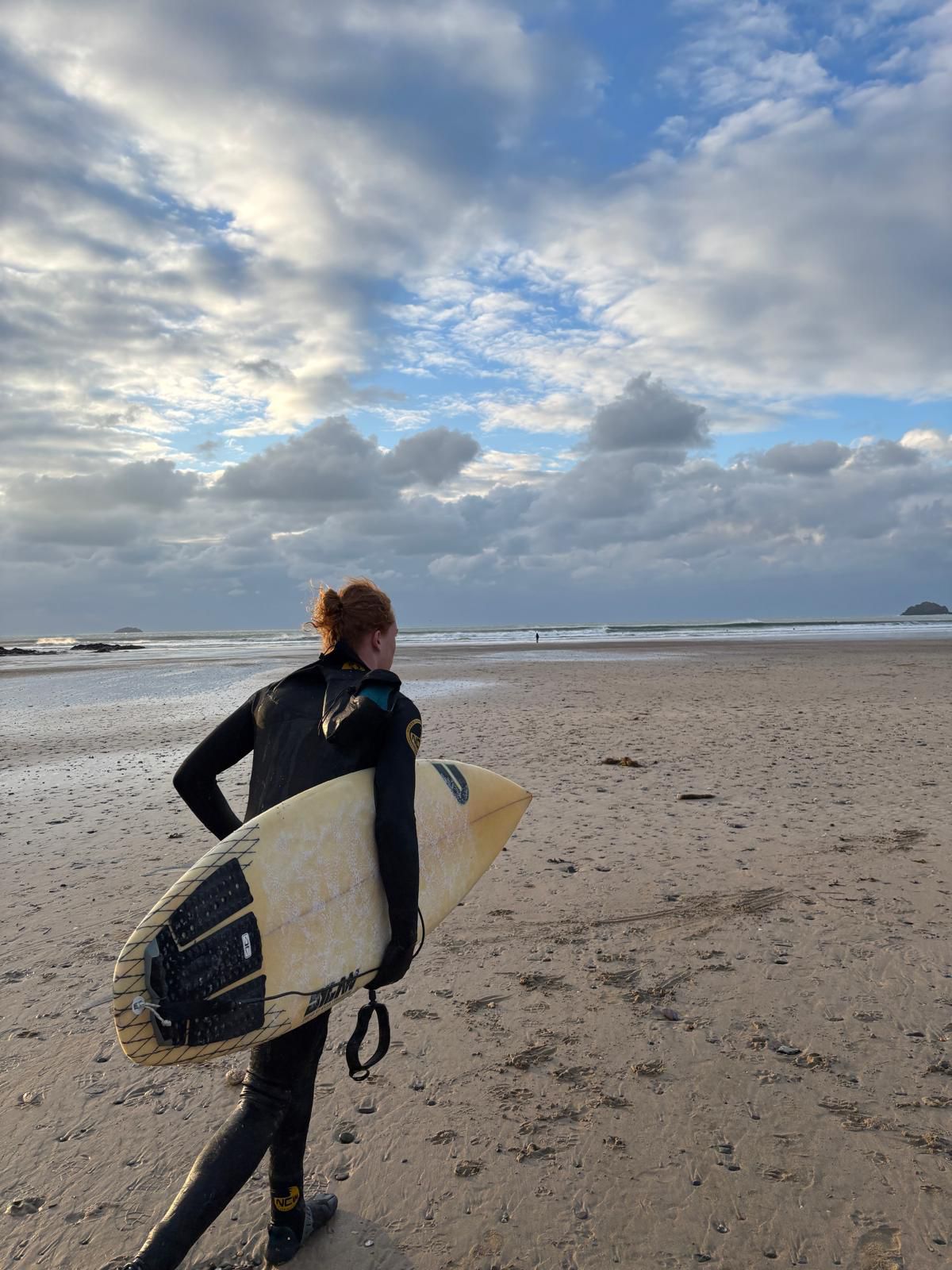
Table of Contents
The Surfing (Winter) Grind
The sun breaks through low clouds. It’s still winter in the UK. But the water is glassy for a moment. You take off. And for a few minutes, the world shrinks to the rhythm of your body and the pull of the ocean. Then it’s over. The swell fades. The wind shifts. And suddenly, the world’s complications—work, family, stress—creep back in.
For surfing, watersports and skateboarding enthusiasts, those fleeting pockets of flow are precious. They’re moments of escape, medicine, and identity wrapped into one. But when life has been complicated for a while, when winter drags on with grey skies, and the stoke fades faster than expected, even these sessions can feel like a grind.
Why Winter Feels Heavier
Inconsistent swells, short days, and chilly winds already challenge surfing motivation. Add long-term stress—family health crises, global events, work pressures—and the nervous system starts to operate in survival mode.
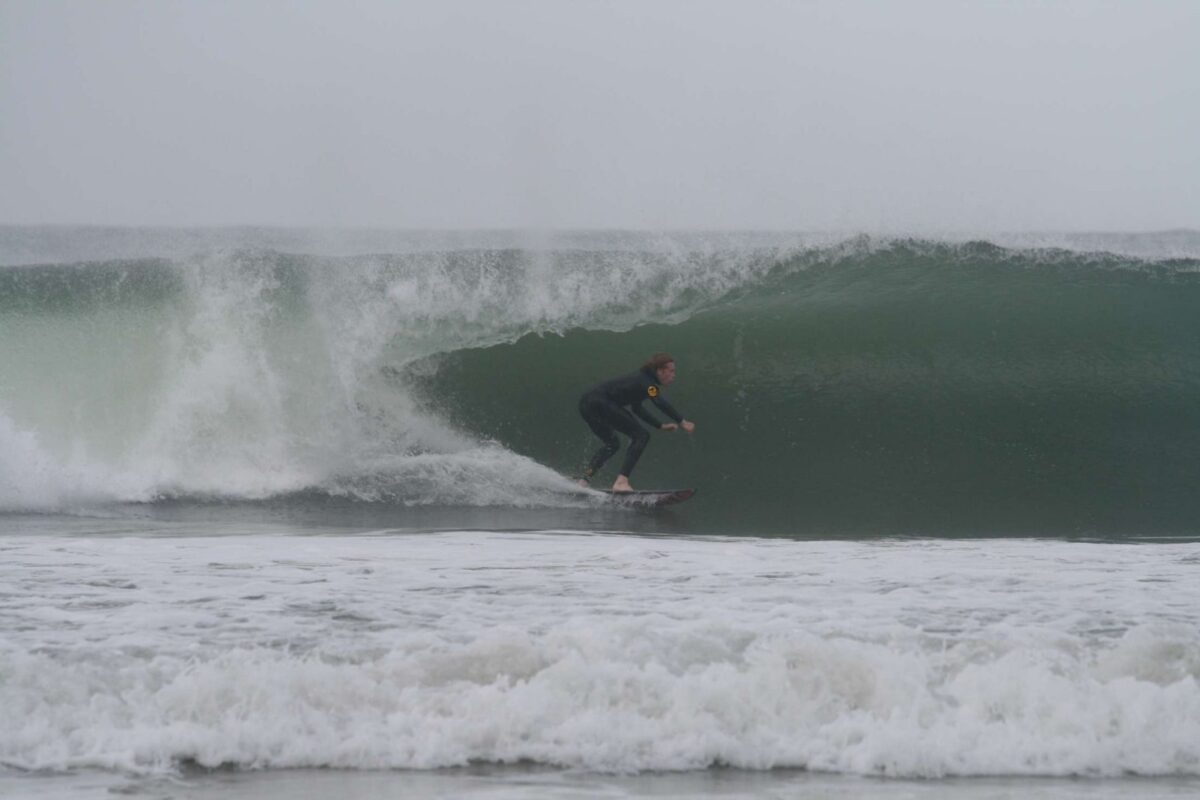
Suddenly, even perfect conditions don’t quite deliver the stoke they once did. Leaving all your troubles behind on the beach as you paddle out can often be a cliché at best and a fallacy for most. Real life doesn’t work like that.
Not Just a Winter Problem
It’s not just a winter problem. It’s a human one. After extended periods of challenge, the brain craves stability, control, and progress—and when conditions, circumstances, or energy levels interfere, motivation can dip.
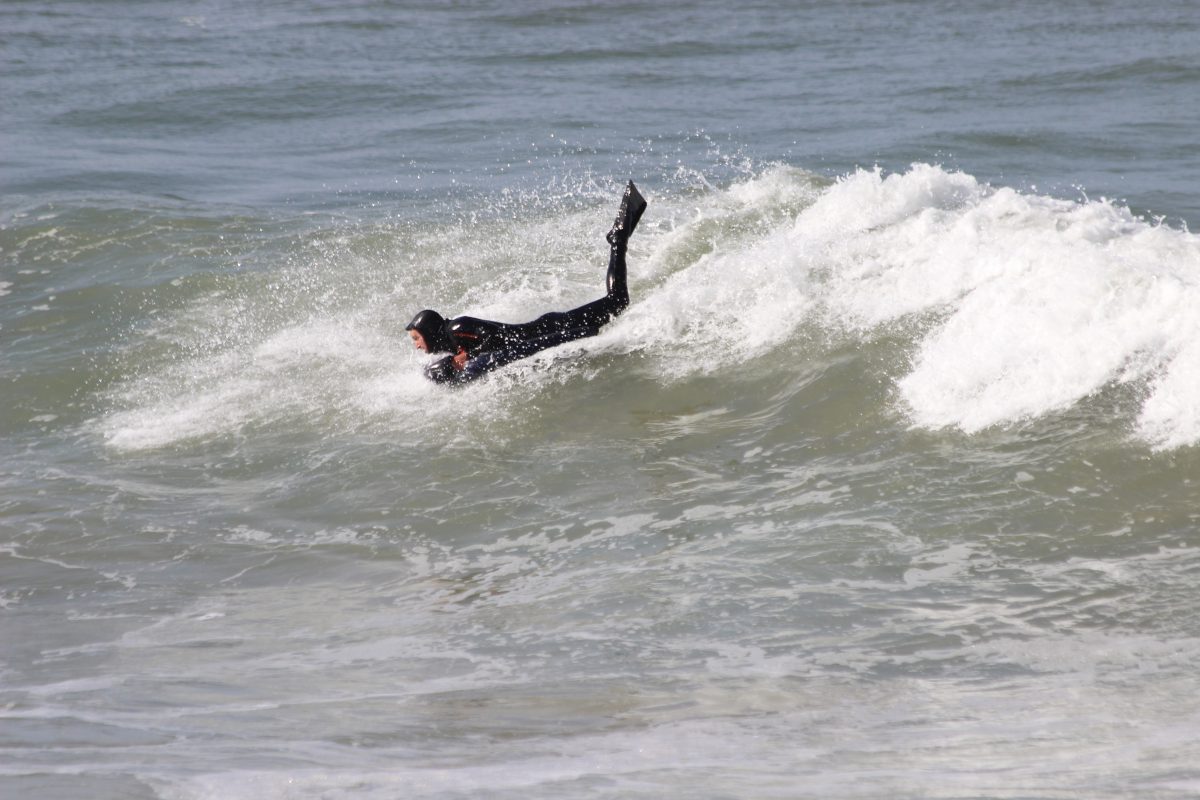
This winter (2025/2026), for many, has seen seemingly constant rain, grey skies, chilly air temperatures, coupled with often unattainable waves. 10ft is fine for a few, but the majority aren’t after behemoth surf. Real-world riders need something less life-threatening.
Movement as a Lifeline
Despite these challenges, sport and creative pursuits remain a lifeline. They offer three critical functions:
- Escape: Two hours on a surfboard, skateboard puts life’s worries on pause (to a degree)
- Regulation: Physical exertion and rhythm balance the nervous system, helping to release tension and stabilise mood. You may have to return the ‘fight’ but physical activity does help.
- Identity anchor: Skill practice reminds us of who we are, reinforcing competence, mastery, and personal agency. Having an identity is important.
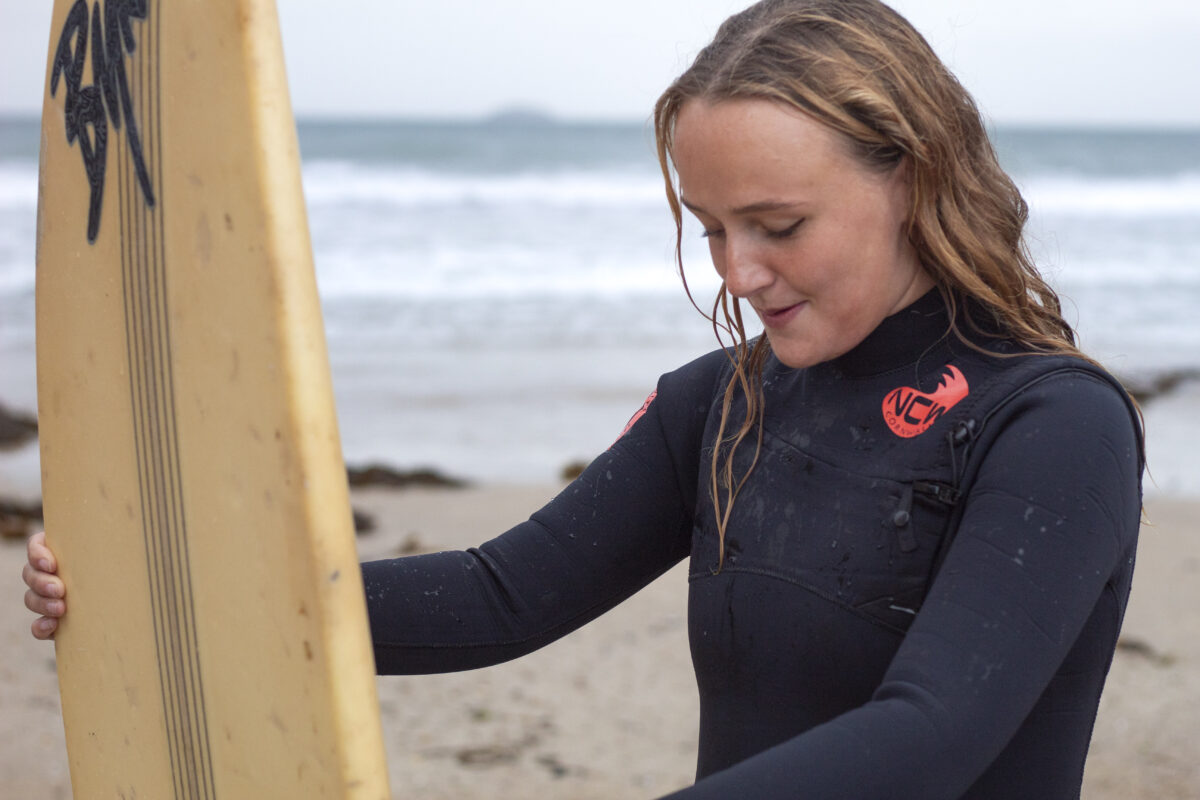
These aren’t just hobbies—they’re a combination of therapy and validation, and while not cheap (surfboards aren’t exactly cost-effective!) or convenient, the payoff can be immeasurable in the long term.
The Subtlety of Mastery
Early milestones—first pop-up, bottom turn, clean open-wave face sliding—deliver obvious spikes of excitement. But as skill grows, progress becomes subtle: cleaner transitions, better edge control, micro-adjustments in timing.
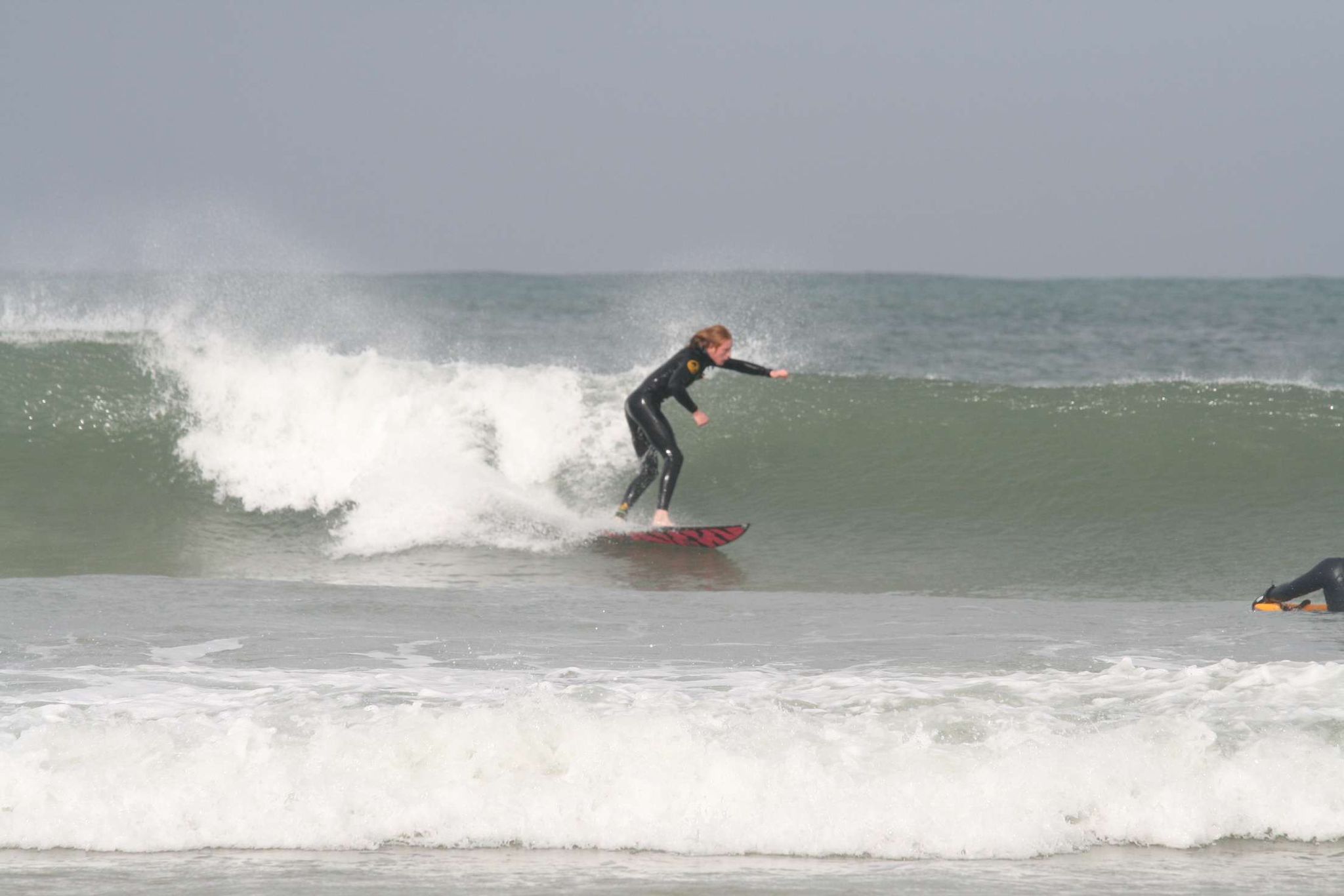
The nervous system rewards these refinements less than big wins. That’s why even an excellent session can feel fleeting, why motivation dips, and why winter can feel like an uphill slog. The solution isn’t chasing bigger thrills—it’s reframing the narrative as your surfing skill improves.
Rebuilding the Story – the Important Bit
Humans crave stories. Even for experienced enthusiasts, motivation isn’t just about performance—it’s about meaning. When external storylines vanish—no new gear, no competitions, no perfect conditions—the narrative can feel thin.

Rebuilding it doesn’t require novelty or extreme risk. Try:
- Defining personal arcs: Focus on subtle mastery of skills rather than external validation.
- Adding constraints: Commit to one location, one setup, or one skill each session.
- Noticing details: Perfect waves, clean transitions, rhythm caught in the moment—these matter.
- Recognising support: Friends, family, and community provide grounding and perspective.
Even small arcs, when acknowledged, restore purpose and satisfaction.
Winter as Opportunity
Winter doesn’t have to be endured—it can be a laboratory. Refining technique, exploring complementary activities, and maintaining consistency build mastery that pays off when conditions improve.
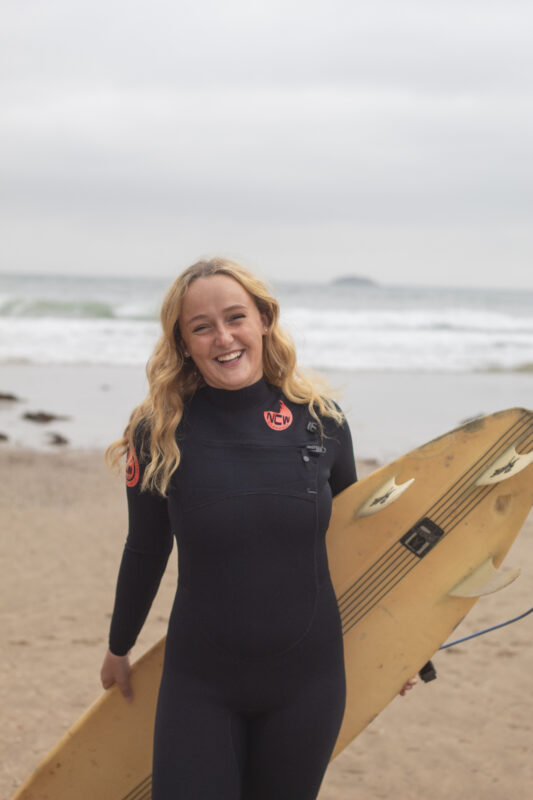
Ladies wetsuits
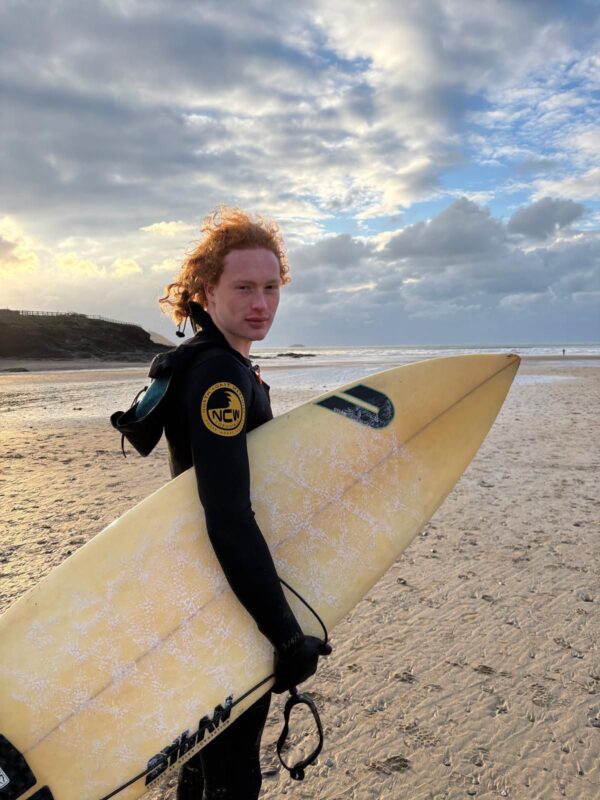
Mens wetsuits
Small victories compound, and the quiet, reflective work done in colder months creates a deeper foundation than adrenaline alone ever could. With spring on the way, what you’ve learned during teh colder months – even if sparse – will benefit you during the higher season months.
The Human Side of Adventure
Adventure sports are more than adrenaline and performance. They anchor identity, build resilience, and maintain continuity through life’s storms. Even when stoke fades, conditions frustrate, or challenges arise, showing up matters. Refinement, reflection, and persistence carry forward, creating a story beyond the waves, wetsuits and boards.

For waterports enthusiasts everywhere, the lesson is clear: waves will shift, winds will change, but the true adventure is often in coming out of the hole—sustaining passion, honing skill, and finding flow, even when life is complicated. Surfing isn’t easy in the UK. But it’s there to lend a hand when needed…
For the full range of NCW’s surfing kit, follow this link
Click on one of the following articles for more articles like this.